GST Registration for Freelancers: A Comprehensive Guide for 2026
[Table of Contents](#toc) 1. [Introduction to GST Registration for Freelancers](#intro) 2. [GST Registration Threshold for Freelancers](#threshold) 3. [Benefits and Risks of GST Registration](#benefits) 4. [Comparison of GST Registration Costs](#costs) Navigating the complexities of GST registration as a freelancer requires a deep understanding of the tax laws and regulations, as well as the potential risks and benefits of registration. As a freelancer, it is essential to determine whether GST registration is mandatory for your business, especially if you earn under 20 lakh per year. According to the Goods and Services Tax (GST) regime, freelancers who provide services to clients are considered suppliers and are required to register for GST if their annual turnover exceeds 20 lakh. However, if you earn less than 20 lakh per year, you may not be required to register for GST, but it is still essential to understand the rules and regulations surrounding GST registration. The benefits of GST registration for freelancers include the ability to claim input tax credits, which can help reduce your tax burden. Additionally, GST registration can provide a level of legitimacy and credibility to your business, which can be beneficial when dealing with clients. However, GST registration also comes with additional compliance requirements, such as filing regular returns and maintaining accurate records. ##
Unlock the Secrets of GST Registration for Freelancers
The following table compares the technical specs and costs of GST registration for freelancers:
| Category | GST Registration | Non-GST Registration |
|---|---|---|
| Annual Turnover | Above 20 lakh | Below 20 lakh |
| Registration Fee | Nil | Nil |
| Compliance Requirements | Regular returns, accurate records | Minimal compliance requirements |
| Tax Burden | Potential to claim input tax credits | No input tax credits available |
##
GST Registration Threshold for Freelancers: What You Need to Know
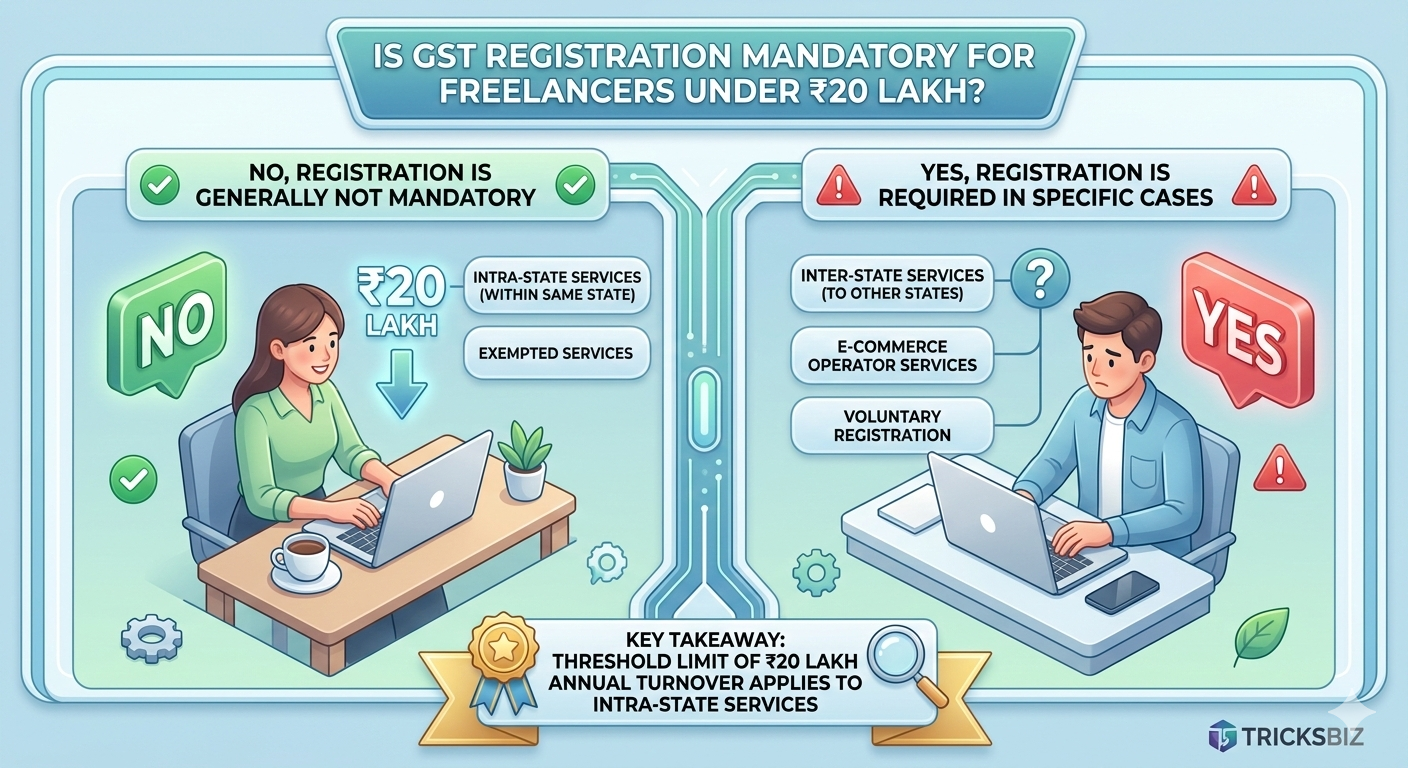
The GST registration threshold for freelancers is ₹20 lakhs (₹10 lakhs in special category states) in a financial year. However, this threshold is applicable only for intra-state supplies. If a freelancer makes interstate supplies, they must register for GST regardless of their turnover. ###
Aggregate Turnover Calculation
The aggregate turnover is calculated as the total value of all taxable supplies made by a freelancer in a financial year. The formula for calculating aggregate turnover is: python Aggregate Turnover = Σ (Value of Taxable Supplies Value of Exempt Supplies Value of Non-Taxable Supplies) Where, - Value of Taxable Supplies: The total value of all taxable supplies made by a freelancer in a financial year. - Value of Exempt Supplies: The total value of all exempt supplies made by a freelancer in a financial year. - Value of Non-Taxable Supplies: The total value of all non-taxable supplies made by a freelancer in a financial year. ##
Implications of GST Registration on Freelancers Providing Services to Clients Outside India
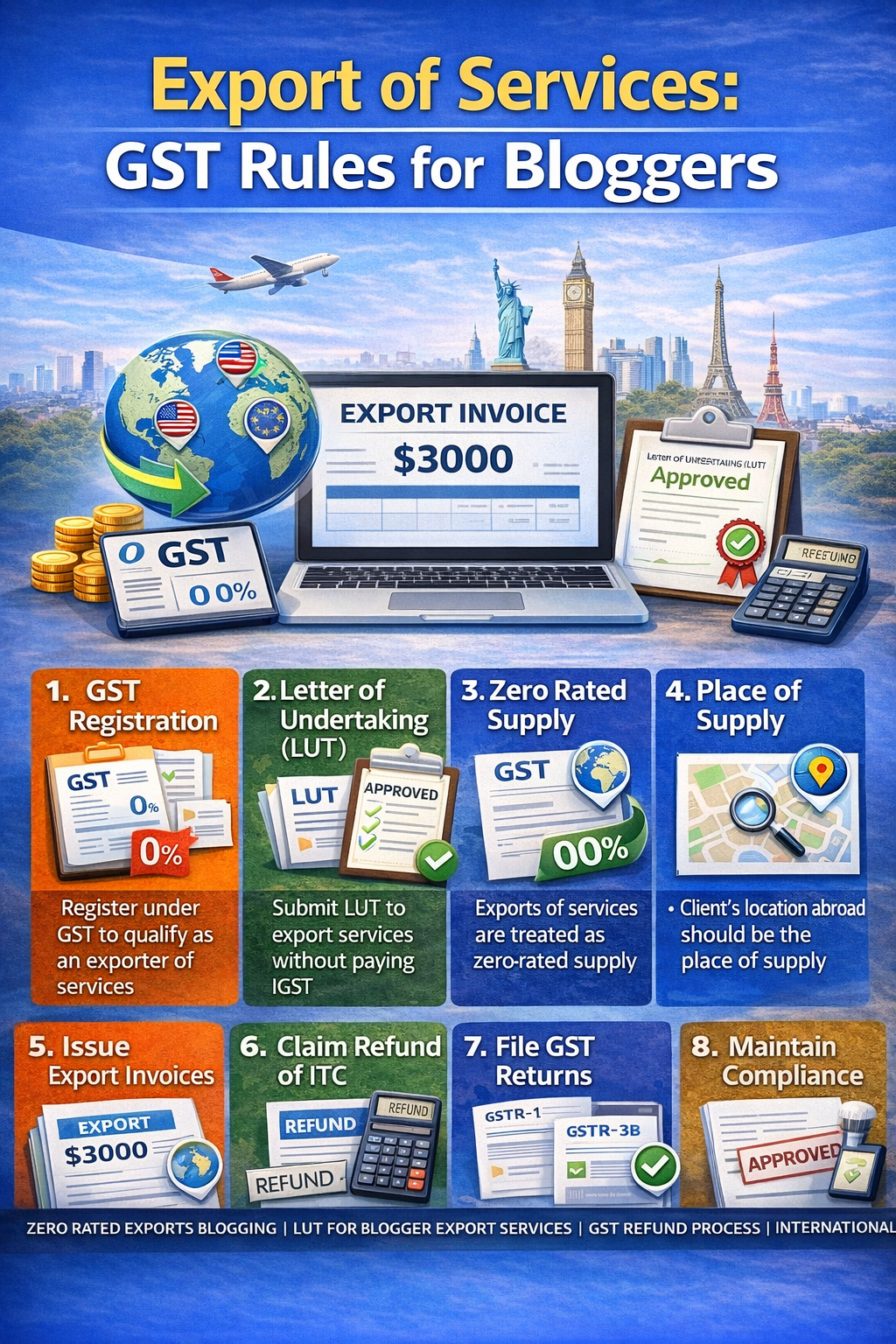
Freelancers providing services to clients outside India may be eligible for export benefits and tax credits. However, to claim these benefits, they must register for GST and obtain a Letter of Undertaking (LUT). The LUT is a document that allows freelancers to export services without paying GST. ###
Export Benefits for Freelancers
Freelancers providing services to clients outside India may be eligible for export benefits, including: - Zero-rated GST: Freelancers can export services without paying GST. - Refund of Input Tax Credit (ITC): Freelancers can claim a refund of ITC on inputs used in the provision of export services. - Duty Drawback: Freelancers can claim a refund of duties paid on inputs used in the provision of export services. ##
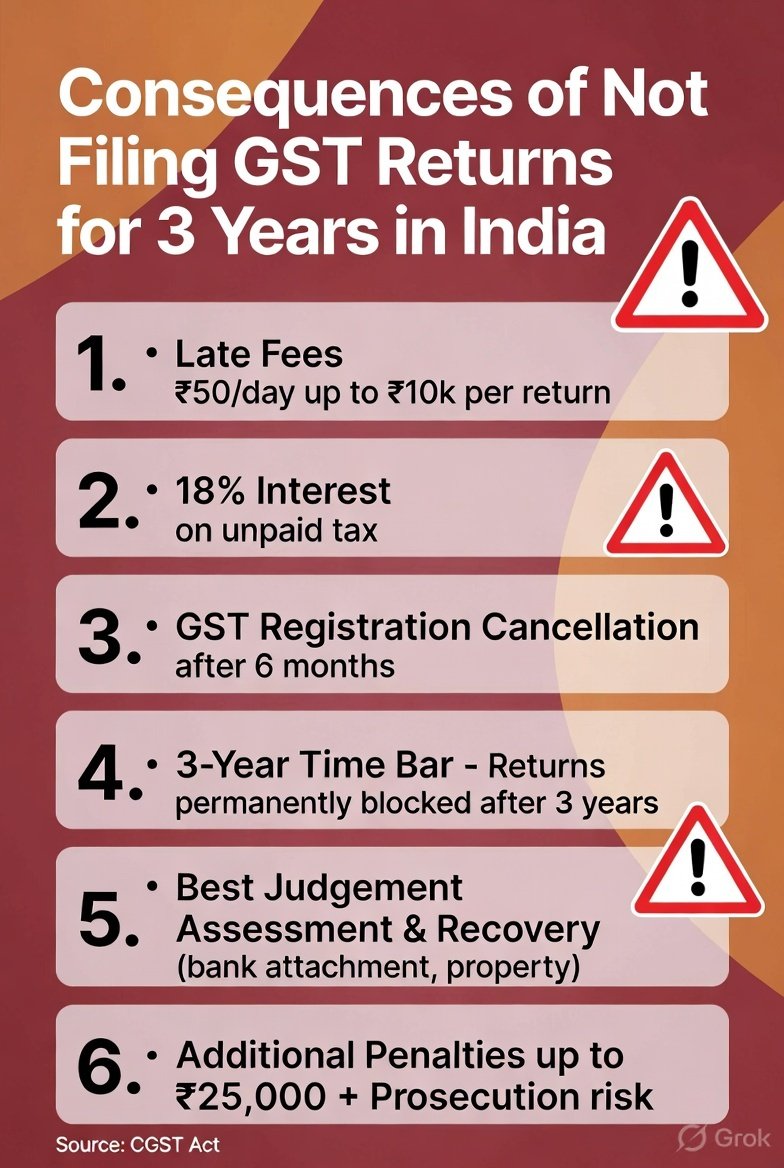
Consequences of Not Registering for GST
Failure to register for GST can result in penalties and fines. The penalties for not registering for GST are: - A penalty of ₹10,000 or 10% of the tax due, whichever is higher. - Interest on the tax due at the rate of 18% per annum. - A penalty of ₹25,000 for failure to obtain a LUT. ###
Documentation and Record-Keeping Requirements for Freelancers Registered under GST
Freelancers registered under GST must maintain the following documents and records: - Invoices: Freelancers must issue invoices for all taxable supplies made. - Receipts: Freelancers must maintain receipts for all payments received. - Payment Records: Freelancers must maintain records of all payments made. - LUT: Freelancers must obtain a LUT to export services without paying GST.
PRO-TIP: Freelancers must maintain accurate and up-to-date records to avoid penalties and fines. They must also ensure that they are compliant with all GST regulations and laws.
##
GST Rates for Freelancers: What You Need to Know
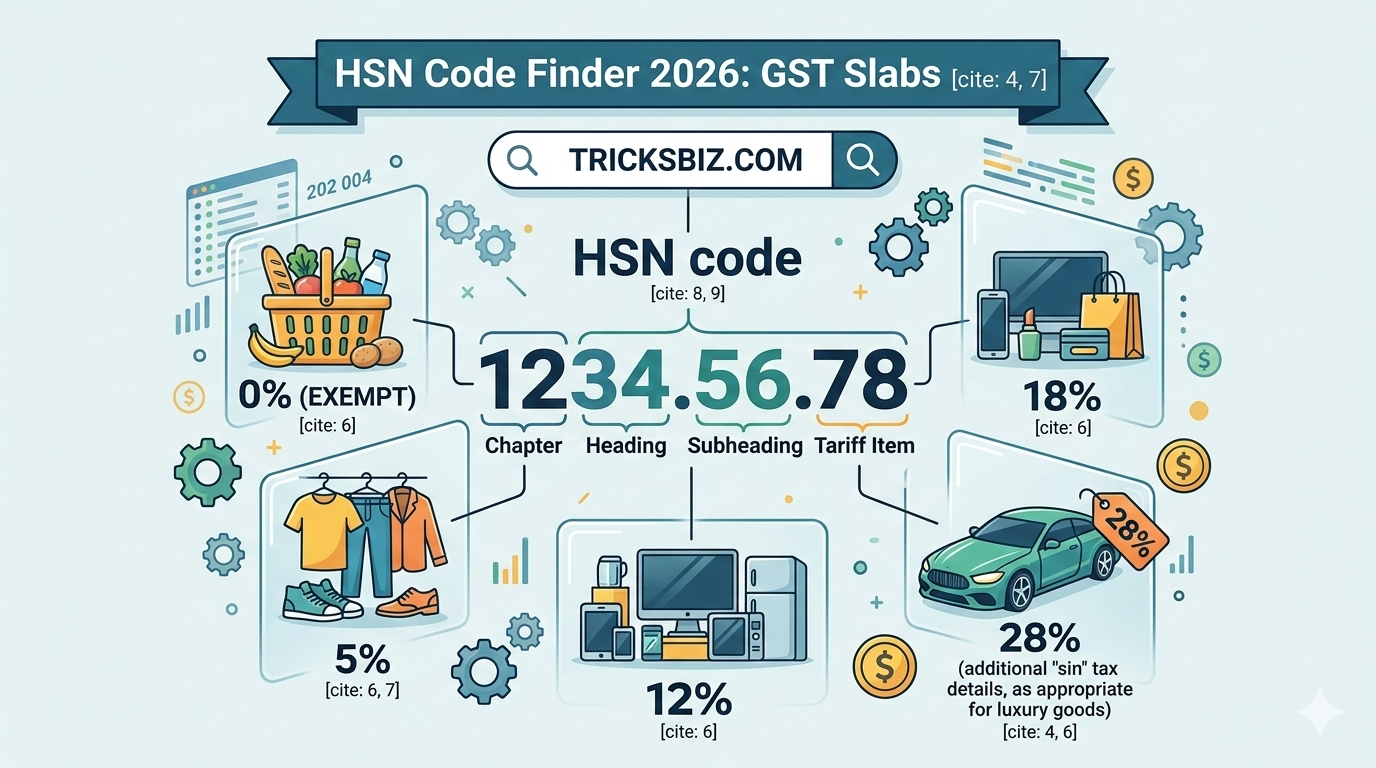
The GST rate for freelancers is 18% for most services. However, some services may be exempt or taxed at a lower rate. ###
GST Return Filing for Freelancers
Freelancers registered under GST must file GST returns on a monthly or quarterly basis. The GST return filing process involves: - Filing Form GSTR-1: Freelancers must file Form GSTR-1 to report all taxable supplies made. - Filing Form GSTR-2: Freelancers must file Form GSTR-2 to report all taxable supplies received. - Filing Form GSTR-3: Freelancers must file Form GSTR-3 to report all taxable supplies made and received. ##
Battlefield Report: Case Study
A real-world example of a freelancer who faced the dilemma of GST registration is that of Rohan, a freelance writer with an annual turnover of ₹15 lakhs. Rohan provided his services to various clients across the country and was unsure whether he needed to register for GST. Initially, he did not register for GST, thinking that his turnover was below the threshold limit. However, as his business grew, he started receiving requests from clients who wanted him to provide GST-compliant invoices. Rohan realized that not having a GST registration was affecting his ability to work with larger clients and was impacting his reputation. He decided to register for GST voluntarily, which helped him to expand his client base and increase his turnover. ##
Troubleshooting: 2026 Edge Cases
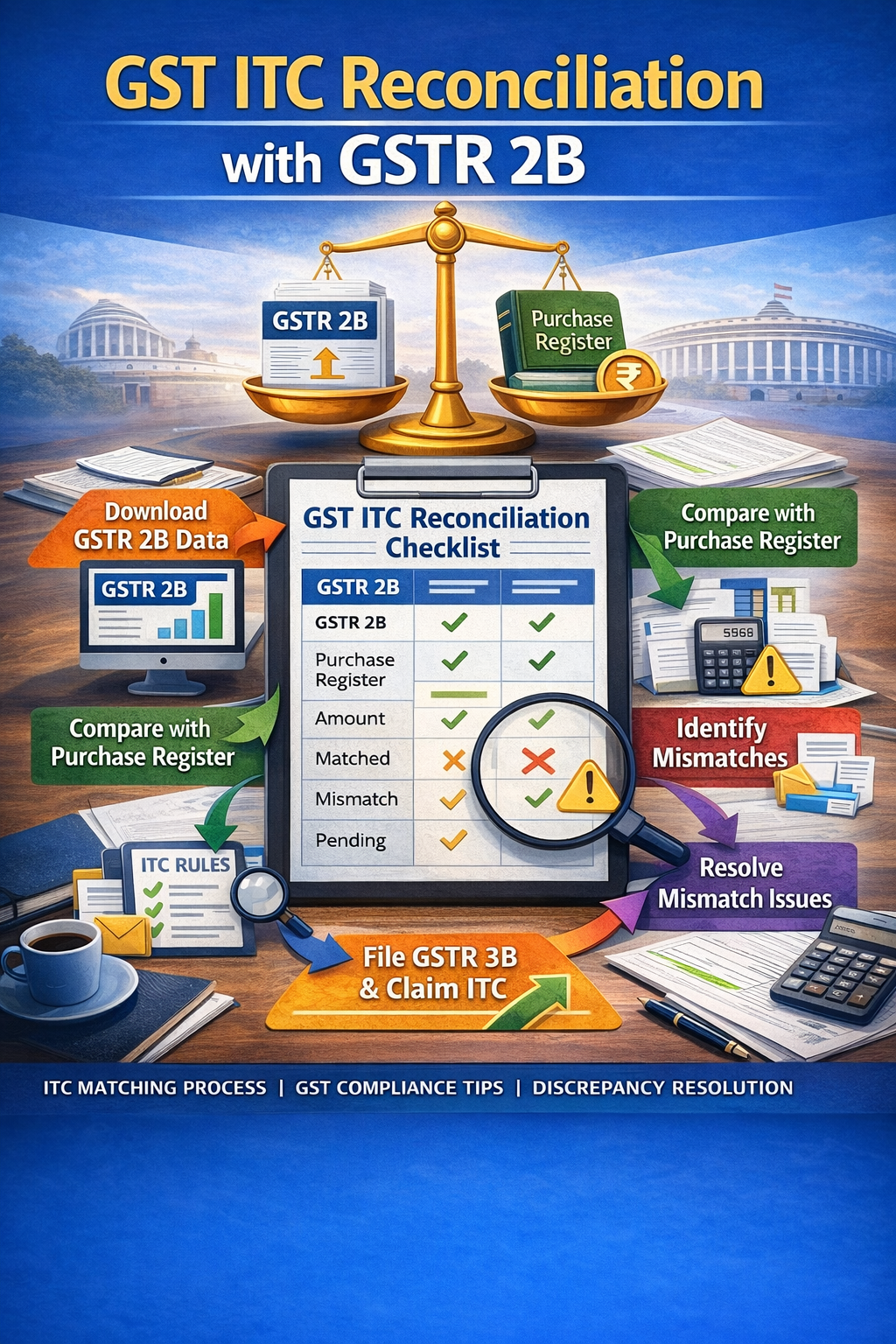
Some edge cases that freelancers may face in 2026 include: * **Inter-state supplies**: Freelancers who provide services to clients in other states may need to register for GST, even if their annual turnover is below the threshold limit. * **Reverse charge mechanism**: Freelancers who receive services from unregistered suppliers may need to pay GST under the reverse charge mechanism. * **Input tax credit**: Freelancers who have registered for GST voluntarily may be able to claim input tax credit on the taxes paid on their inputs. ##
Deep-Dive FAQ
What is the threshold limit for GST registration for freelancers?
The threshold limit for GST registration for freelancers is ₹20 lakhs (₹10 lakhs in special category states) in a financial year. However, freelancers can register for GST voluntarily, even if their annual turnover is below the threshold limit.
Do freelancers need to register for GST if they provide services to clients in other states?
Yes, freelancers who provide services to clients in other states may need to register for GST, even if their annual turnover is below the threshold limit.
Can freelancers claim input tax credit on the taxes paid on their inputs?
Yes, freelancers who have registered for GST can claim input tax credit on the taxes paid on their inputs.
What are the consequences of not registering for GST for freelancers?
The consequences of not registering for GST for freelancers can include penalties, interest, and fines.
Can freelancers register for GST voluntarily?
Yes, freelancers can register for GST voluntarily, even if their annual turnover is below the threshold limit.
What are the documents required for GST registration for freelancers?
The documents required for GST registration for freelancers include a PAN card, Aadhaar card, business registration documents, and bank account details.
How can freelancers apply for GST registration?
Freelancers can apply for GST registration online through the GST portal.
What is the process for GST registration for freelancers?
The process for GST registration for freelancers involves applying for GST registration online, providing the required documents and information, and paying the registration fee.
Can freelancers cancel their GST registration?
Yes, freelancers can cancel their GST registration if they are no longer required to be registered.
What are the benefits of GST registration for freelancers?
The benefits of GST registration for freelancers include the ability to claim input tax credit on the taxes paid on their inputs, expand their client base, and increase their turnover.