GST Litigation Trends 2026
Table of Contents
- Introduction to GST Litigation
- Emerging Trends in GST Litigation
- Disputes Over Input Tax Credit (ITC) Claims
- Increased Scrutiny by Tax Authorities
- Best Practices for GST Compliance
Introduction to GST Litigation
The introduction of the Goods and Services Tax (GST) in India marked a significant shift in the country's indirect tax system. While GST has streamlined tax processes and eliminated many inefficiencies, it has also brought new complexities and challenges for businesses. As companies navigate this evolving tax landscape, GST litigation has emerged as a critical area of concern. CEOs and MDs must stay informed about emerging litigation trends to safeguard their businesses from potential legal risks.
Emerging Trends in GST Litigation
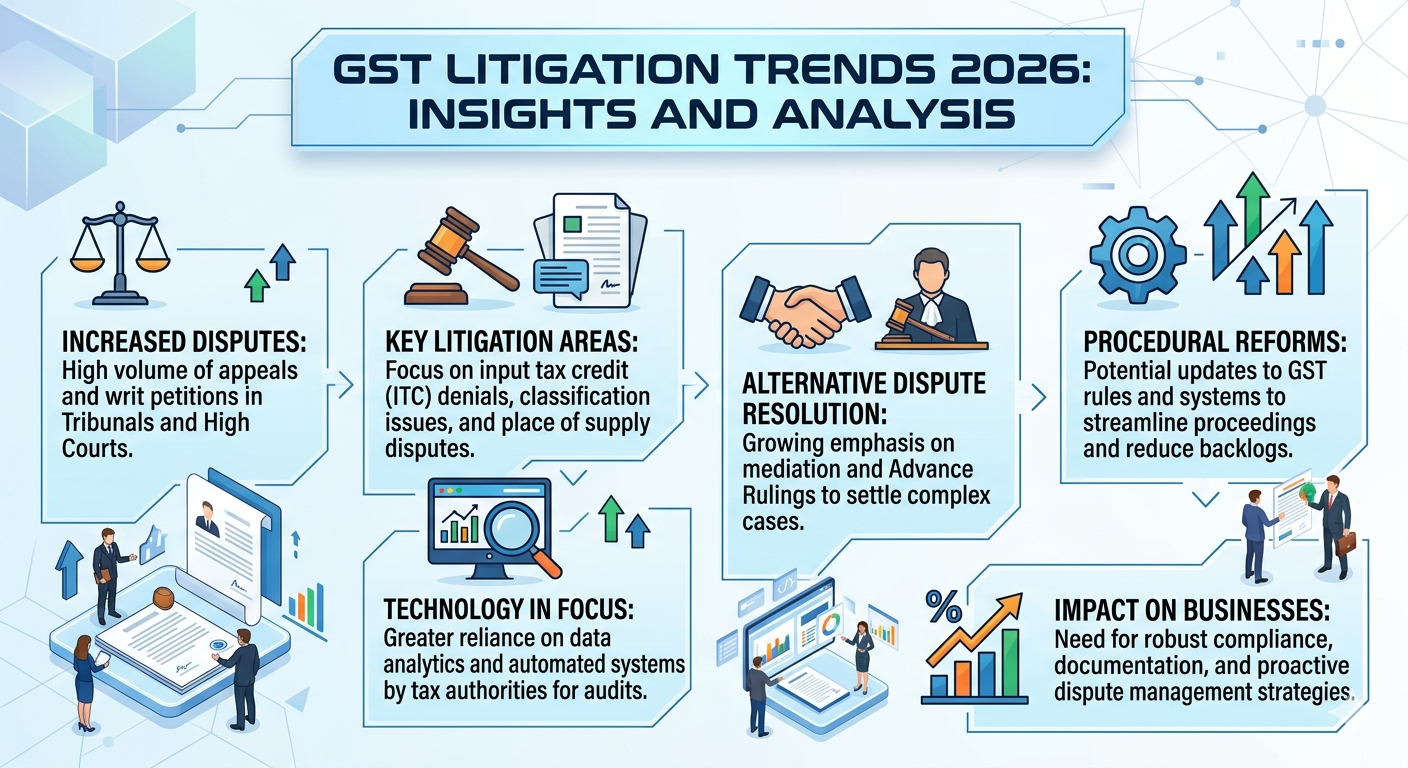
One of the most significant trends in GST litigation is the heightened scrutiny by tax authorities. As the GST regime matures, authorities are increasingly focused on identifying tax evasion and non-compliance. This has led to a rise in audits, investigations, and notices issued to businesses. The scrutiny is particularly intense in sectors that are perceived to be high-risk, such as real estate, pharmaceuticals, and e-commerce.
Disputes Over Input Tax Credit (ITC) Claims
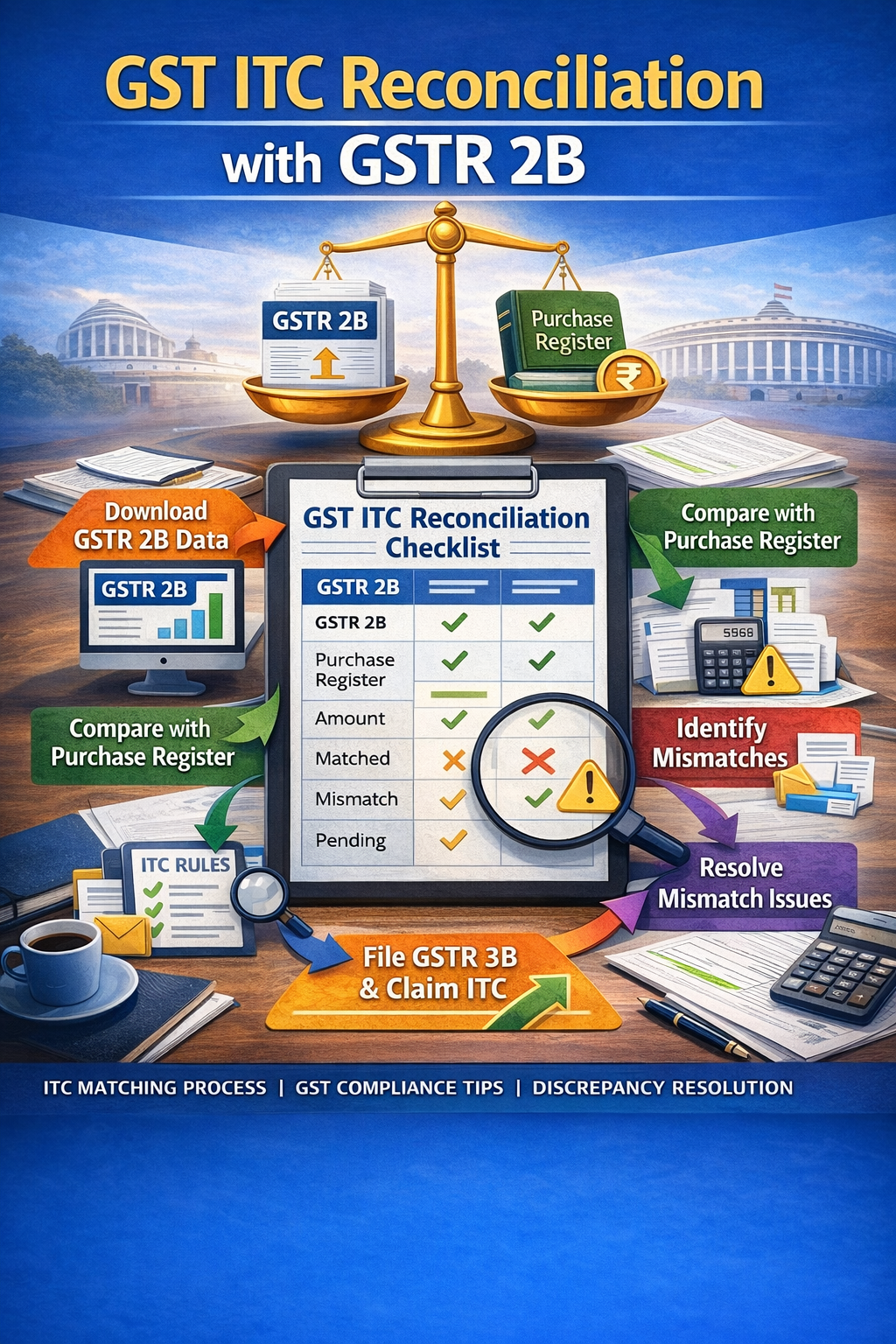
Input Tax Credit (ITC) is a fundamental aspect of the GST framework, allowing businesses to claim credits for taxes paid on inputs. However, disputes over ITC claims have become a common issue in GST litigation. Businesses may face challenges in claiming ITC due to issues such as incomplete documentation, incorrect invoicing, or mismatched credits. It is essential for companies to ensure accurate and timely ITC claims to avoid potential disputes and penalties.
Increased Scrutiny by Tax Authorities
The increased scrutiny by tax authorities has led to a rise in audits, investigations, and notices issued to businesses. Companies must be prepared to respond to these notices and provide adequate documentation to support their tax claims. It is crucial for businesses to maintain accurate and detailed records, including invoices, receipts, and payment records, to ensure compliance with GST regulations.
Best Practices for GST Compliance
To ensure GST compliance and minimize the risk of litigation, businesses should adopt best practices such as maintaining accurate records, conducting regular audits, and seeking professional advice. Companies should also stay up-to-date with the latest GST regulations and amendments to ensure they are compliant with the evolving tax landscape.
Frequently Asked Questions
What are the key trends in GST litigation in 2026?
The key trends in GST litigation in 2026 include increased scrutiny by tax authorities, disputes over Input Tax Credit (ITC) claims, and emerging trends such as the use of technology in tax compliance. Businesses must stay informed about these trends to ensure GST compliance and minimize the risk of litigation.
How can businesses ensure GST compliance and minimize the risk of litigation?
Businesses can ensure GST compliance and minimize the risk of litigation by maintaining accurate records, conducting regular audits, and seeking professional advice. Companies should also stay up-to-date with the latest GST regulations and amendments to ensure they are compliant with the evolving tax landscape.
What are the consequences of non-compliance with GST regulations?
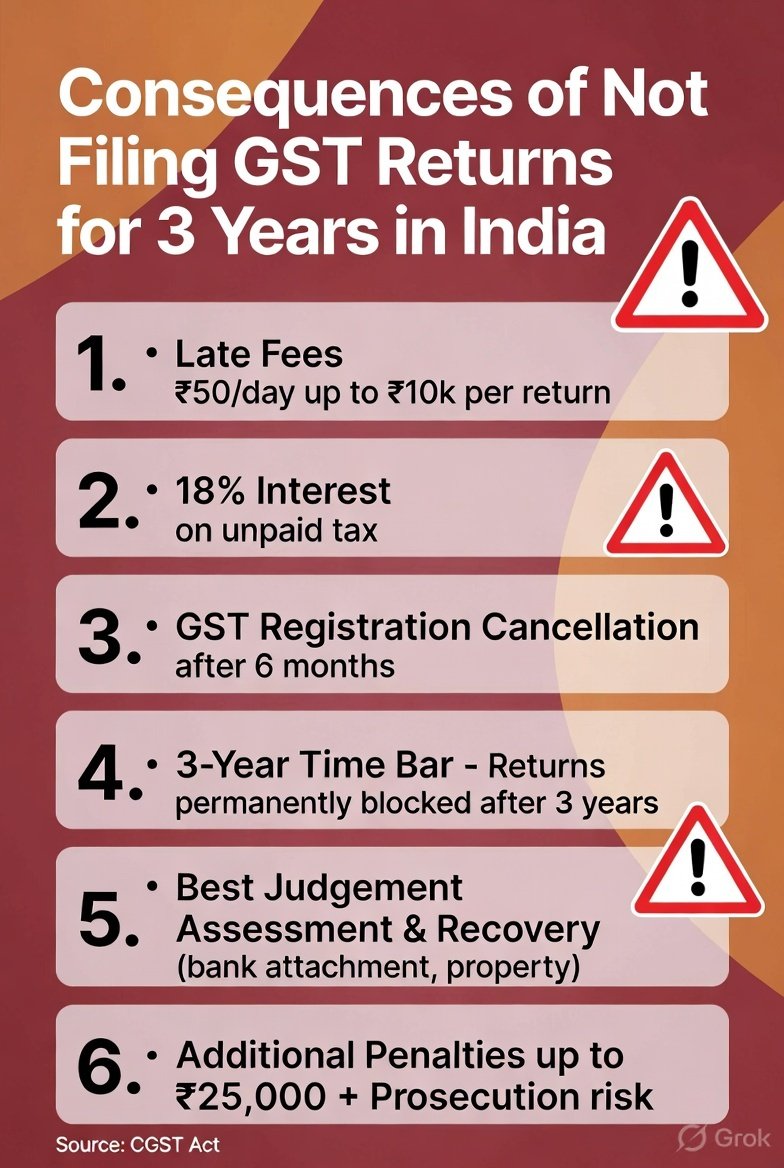
The consequences of non-compliance with GST regulations can be severe, including penalties, fines, and even prosecution. Businesses that fail to comply with GST regulations may face significant financial losses and damage to their reputation.
How can businesses respond to notices issued by tax authorities?
Businesses should respond to notices issued by tax authorities in a timely and accurate manner, providing adequate documentation to support their tax claims. Companies should seek professional advice to ensure they are responding correctly and minimizing the risk of further action.
What is the role of technology in GST compliance and litigation?
Technology plays a significant role in GST compliance and litigation, enabling businesses to maintain accurate records, conduct regular audits, and respond to notices issued by tax authorities. Companies can use technology to streamline their tax compliance processes, reducing the risk of errors and minimizing the risk of litigation.