Export of Services GST Rules for Bloggers
Table of Contents
- Introduction to Export of Services under GST
- Benefits of Exporting Services under GST
- Procedure for Export of Services under GST
- GST Rates and Refund Process
- Documentation and Compliance Requirements
- Frequently Asked Questions (FAQs)
Introduction to Export of Services under GST
According to Section 2(6) of the IGST Act, export of services means the supply of any service when the supplier is based in India, the recipient is located outside India, and the payment is made in foreign currency or INR if allowed by the RBI. The supplier and recipient must not be branches of the same entity. This definition is crucial for bloggers and service providers to understand, as it determines whether their services are eligible for zero-rated supplies under GST.
Benefits of Exporting Services under GST
The export of services under GST offers several benefits, including zero-rated supplies, which means that exporters do not have to pay GST on their services. This makes Indian service providers more competitive globally. Additionally, GST simplifies the refund process for input tax credits, reducing the load on exporters' working capital. The focus on export promotion under GST also makes doing business easier, potentially increasing India's service exports.
Procedure for Export of Services under GST
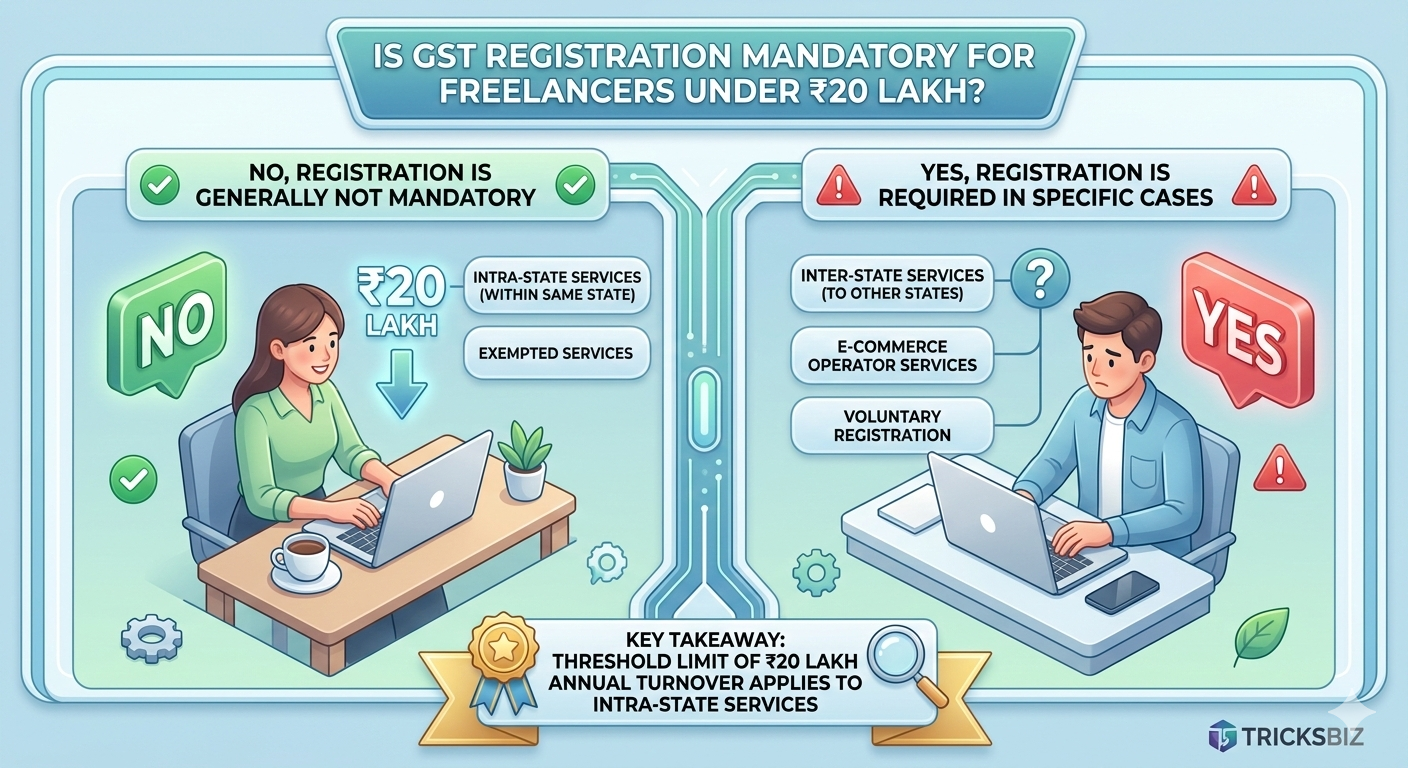
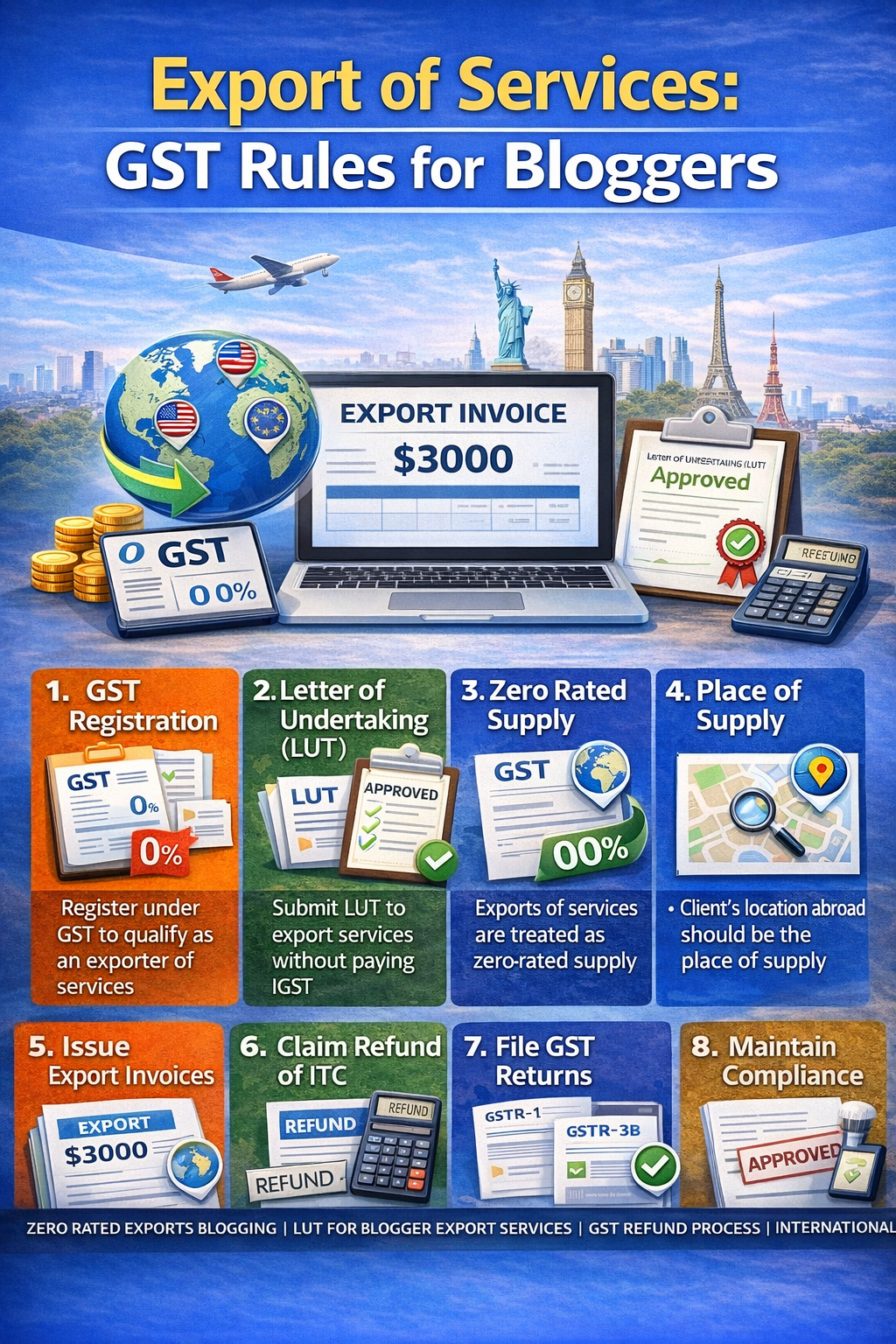
To export services under GST, bloggers and service providers must follow a specific procedure. This includes obtaining a GST registration, furnishing a bond or Letter of Undertaking (LUT), and ensuring that the recipient is located outside India. The payment must be made in foreign currency or INR if allowed by the RBI. The supplier and recipient must not be branches of the same entity. The exporter must also maintain accurate documentation, including invoices, receipts, and bank statements, to claim refunds and comply with GST regulations.
GST Rates and Refund Process
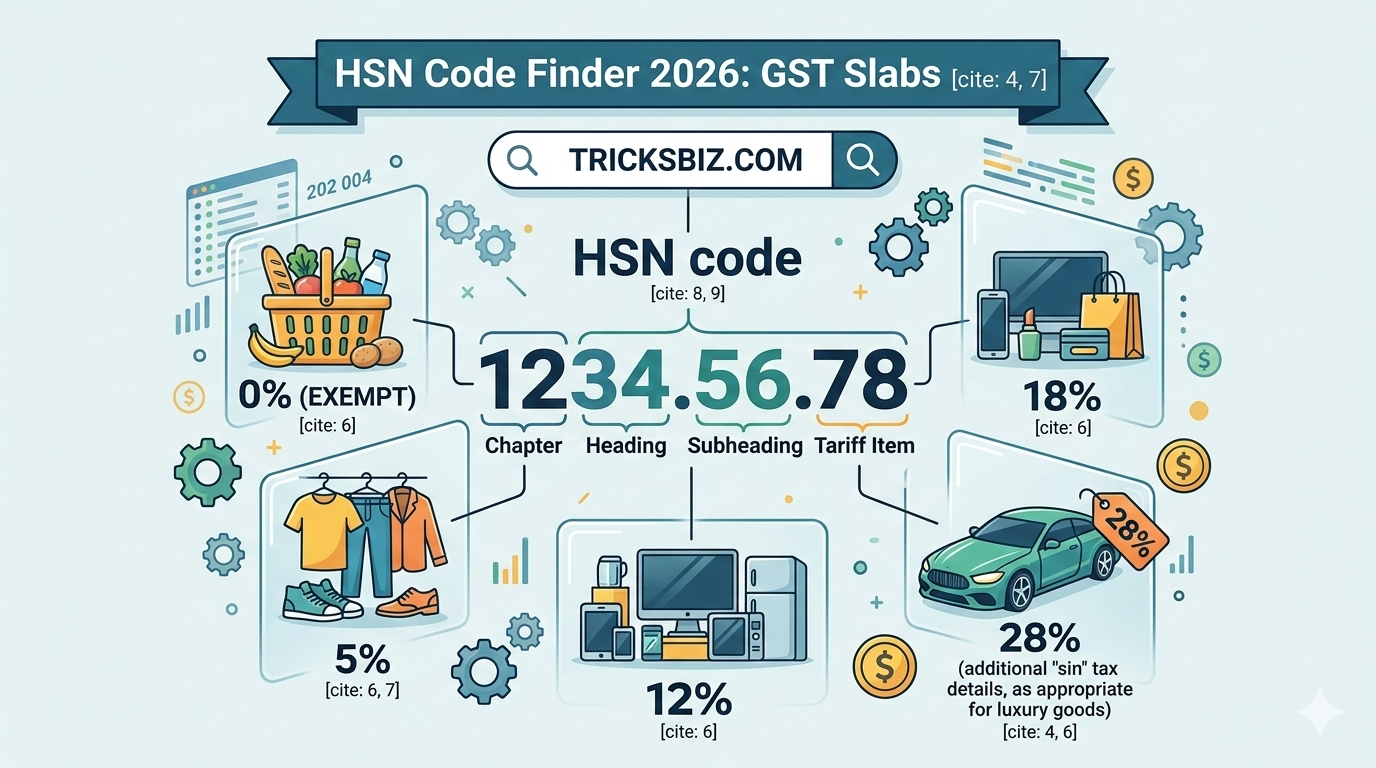
Under GST, the export of services is treated as a zero-rated supply, which means that no GST is payable on the service. However, the exporter may be eligible to claim a refund of input tax credits on the goods and services used in the export of services. The refund process involves filing a refund application with the GST authorities, along with supporting documents, such as invoices, receipts, and bank statements. The GST authorities will then process the refund claim and pay the refund to the exporter.
Documentation and Compliance Requirements
To comply with GST regulations, bloggers and service providers must maintain accurate documentation, including invoices, receipts, and bank statements. They must also obtain a GST registration, furnish a bond or LUT, and ensure that the recipient is located outside India. The exporter must also comply with other GST regulations, such as filing GST returns and paying GST on domestic supplies. Failure to comply with GST regulations can result in penalties and fines, so it is essential to understand the documentation and compliance requirements.
What is the definition of export of services under GST?
According to Section 2(6) of the IGST Act, export of services means the supply of any service when the supplier is based in India, the recipient is located outside India, and the payment is made in foreign currency or INR if allowed by the RBI. The supplier and recipient must not be branches of the same entity.
What are the benefits of exporting services under GST?
The export of services under GST offers several benefits, including zero-rated supplies, which means that exporters do not have to pay GST on their services. This makes Indian service providers more competitive globally. Additionally, GST simplifies the refund process for input tax credits, reducing the load on exporters' working capital.
What is the procedure for exporting services under GST?
To export services under GST, bloggers and service providers must follow a specific procedure. This includes obtaining a GST registration, furnishing a bond or Letter of Undertaking (LUT), and ensuring that the recipient is located outside India. The payment must be made in foreign currency or INR if allowed by the RBI. The supplier and recipient must not be branches of the same entity.
How do I claim a refund of input tax credits under GST?
To claim a refund of input tax credits under GST, the exporter must file a refund application with the GST authorities, along with supporting documents, such as invoices, receipts, and bank statements. The GST authorities will then process the refund claim and pay the refund to the exporter.
What are the documentation and compliance requirements under GST?
To comply with GST regulations, bloggers and service providers must maintain accurate documentation, including invoices, receipts, and bank statements. They must also obtain a GST registration, furnish a bond or LUT, and ensure that the recipient is located outside India. The exporter must also comply with other GST regulations, such as filing GST returns and paying GST on domestic supplies.
Frequently Asked Questions
What is the definition of export of services under GST?
According to Section 2(6) of the IGST Act, export of services means the supply of any service when the supplier is based in India, the recipient is located outside India, and the payment is made in foreign currency or INR if allowed by the RBI. The supplier and recipient must not be branches of the same entity.
What are the benefits of exporting services under GST?
The export of services under GST offers several benefits, including zero-rated supplies, which means that exporters do not have to pay GST on their services. This makes Indian service providers more competitive globally. Additionally, GST simplifies the refund process for input tax credits, reducing the load on exporters' working capital.
What is the procedure for exporting services under GST?
To export services under GST, bloggers and service providers must follow a specific procedure. This includes obtaining a GST registration, furnishing a bond or Letter of Undertaking (LUT), and ensuring that the recipient is located outside India. The payment must be made in foreign currency or INR if allowed by the RBI. The supplier and recipient must not be branches of the same entity.
How do I claim a refund of input tax credits under GST?
To claim a refund of input tax credits under GST, the exporter must file a refund application with the GST authorities, along with supporting documents, such as invoices, receipts, and bank statements. The GST authorities will then process the refund claim and pay the refund to the exporter.
What are the documentation and compliance requirements under GST?
To comply with GST regulations, bloggers and service providers must maintain accurate documentation, including invoices, receipts, and bank statements. They must also obtain a GST registration, furnish a bond or LUT, and ensure that the recipient is located outside India. The exporter must also comply with other GST regulations, such as filing GST returns and paying GST on domestic supplies.