GSTR 9 annual return filing guide 2026
Table of Contents
- Introduction to GSTR 9
- Who Needs to File GSTR 9
- Changes in GSTR 9 for FY 2023-24
- How to File GSTR 9 Without Errors
- Deadlines and Penalties
- Common Mistakes to Avoid
- Conclusion
Introduction to GSTR 9
GSTR 9 is an annual return that every registered taxpayer under GST must file, except for a few exceptions such as Input Service Distributors, persons paying tax under TDS/TCS, casual taxable persons, and non-resident taxable persons. The return is a consolidation of all the GST returns filed during the year, including sales, purchases, input tax credit (ITC), and the GST paid.
Who Needs to File GSTR 9
GSTR 9 must be filed by all GST-registered taxpayers, except those with a turnover of up to ₹2 crores for FY 2023-24. For businesses with turnovers exceeding ₹2 crores, filing GSTR 9C (reconciliation statement) is mandatory. The return must be filed on or before December 31, 2024, for the financial year 2023-24.
Changes in GSTR 9 for FY 2023-24
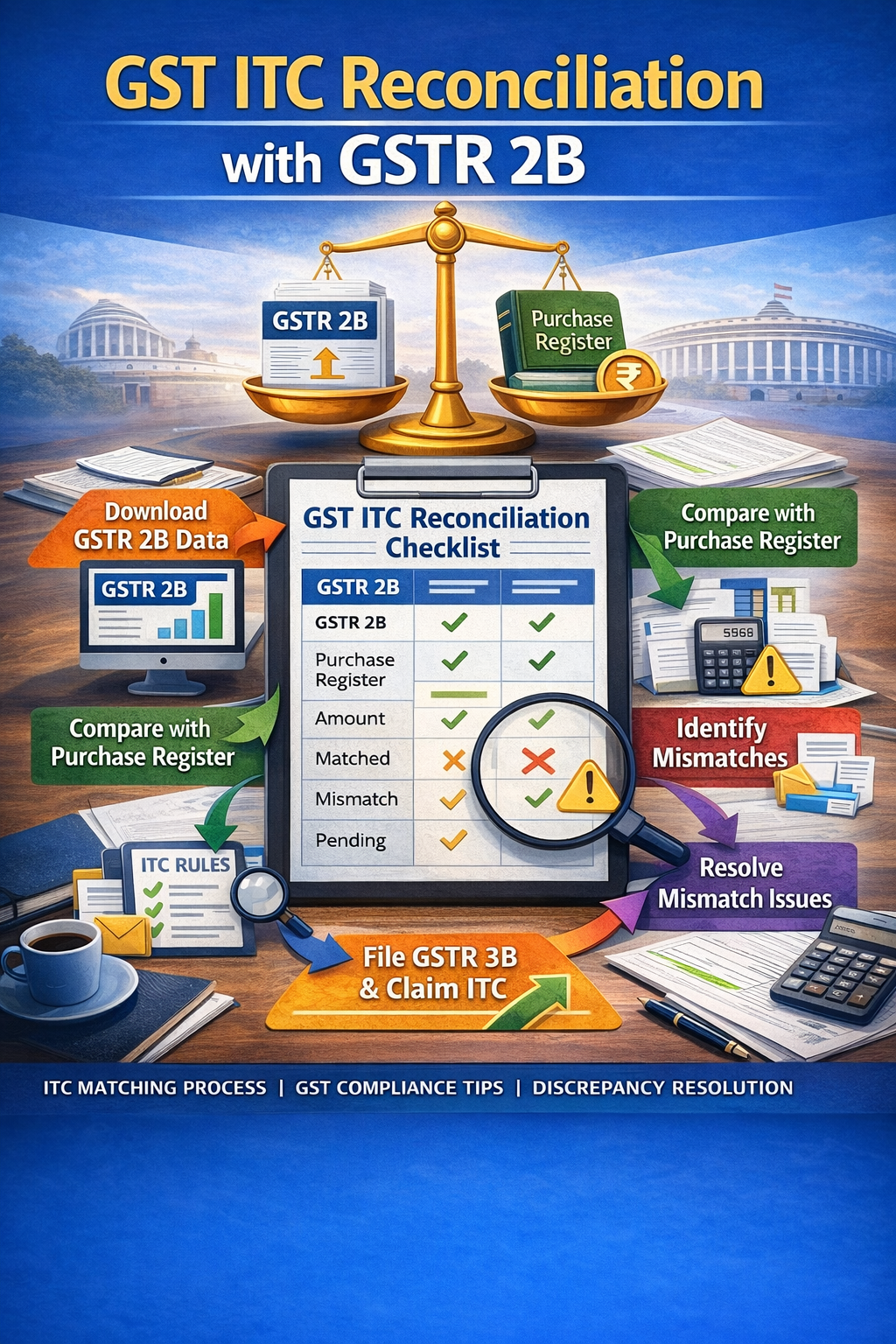
The most notable update in GSTR 9 for FY 2023-24 is the sourcing of ITC details in Table 8A, which will now be derived from GSTR-2B instead of GSTR-2A. GSTR-2B is an auto-drafted statement reflecting the eligible and ineligible ITC for a taxpayer.
How to File GSTR 9 Without Errors
To file GSTR 9 without errors, taxpayers must ensure that all the GST returns filed during the year are accurate and up-to-date. The return can be filed online through the GST portal, and taxpayers can use the offline utility tool to prepare the return before uploading it to the portal.
Deadlines and Penalties
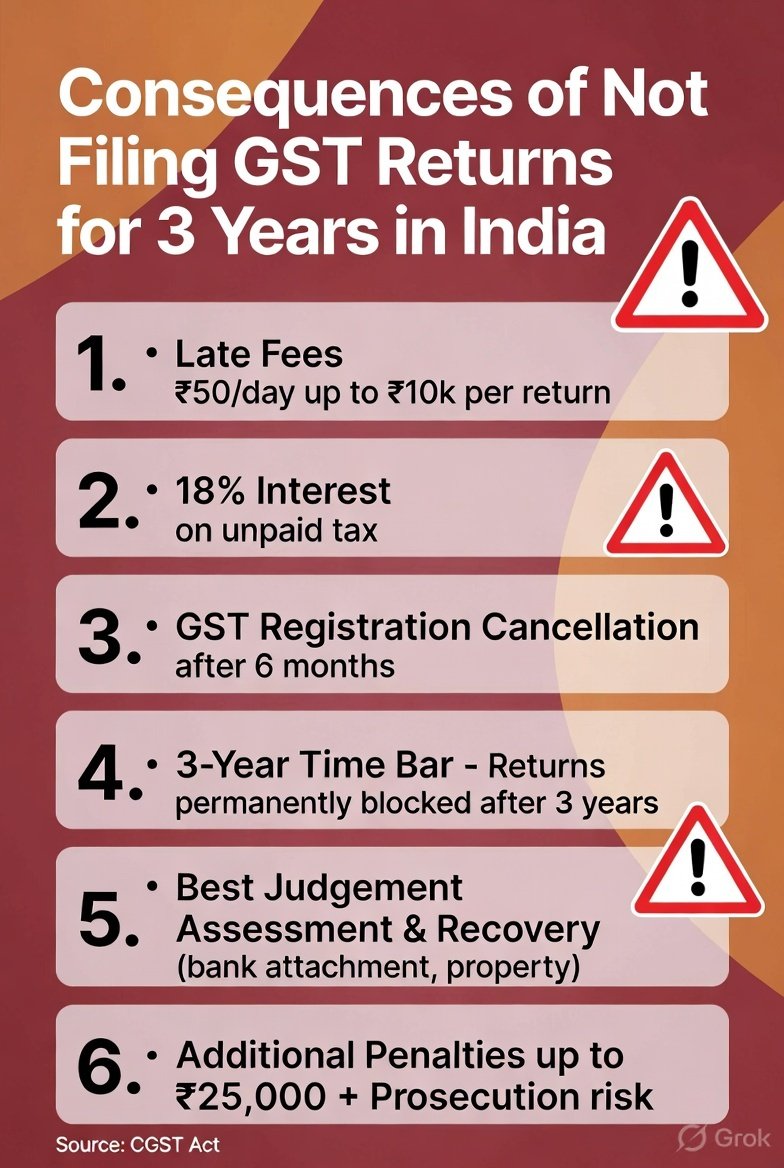
The deadline for filing GSTR 9 for FY 2023-24 is December 31, 2024. Failure to file the return on time can result in penalties and late fees. Taxpayers must ensure that they file the return well before the deadline to avoid any last-minute hassles.
Common Mistakes to Avoid
Common mistakes to avoid while filing GSTR 9 include incorrect or incomplete information, mismatched invoices, and incorrect ITC claims. Taxpayers must ensure that they reconcile their ITC claims with the GSTR-2B statement to avoid any discrepancies.
Conclusion
Filing GSTR 9 is a critical compliance requirement for all GST-registered taxpayers. By understanding the changes in GSTR 9 for FY 2023-24 and following the step-by-step process for filing the return, taxpayers can ensure accurate and penalty-free filing.
Frequently Asked Questions
What is GSTR 9 and who needs to file it?
GSTR 9 is an annual return that every registered taxpayer under GST must file, except for a few exceptions such as Input Service Distributors, persons paying tax under TDS/TCS, casual taxable persons, and non-resident taxable persons. The return is a consolidation of all the GST returns filed during the year, including sales, purchases, input tax credit (ITC), and the GST paid.
What are the changes in GSTR 9 for FY 2023-24?
The most notable update in GSTR 9 for FY 2023-24 is the sourcing of ITC details in Table 8A, which will now be derived from GSTR-2B instead of GSTR-2A. GSTR-2B is an auto-drafted statement reflecting the eligible and ineligible ITC for a taxpayer.
How to file GSTR 9 without errors?
To file GSTR 9 without errors, taxpayers must ensure that all the GST returns filed during the year are accurate and up-to-date. The return can be filed online through the GST portal, and taxpayers can use the offline utility tool to prepare the return before uploading it to the portal.
What are the deadlines and penalties for filing GSTR 9?
The deadline for filing GSTR 9 for FY 2023-24 is December 31, 2024. Failure to file the return on time can result in penalties and late fees. Taxpayers must ensure that they file the return well before the deadline to avoid any last-minute hassles.
What are the common mistakes to avoid while filing GSTR 9?
Common mistakes to avoid while filing GSTR 9 include incorrect or incomplete information, mismatched invoices, and incorrect ITC claims. Taxpayers must ensure that they reconcile their ITC claims with the GSTR-2B statement to avoid any discrepancies.
Can I file GSTR 9 offline?
Yes, taxpayers can prepare GSTR 9 offline using the offline utility tool provided by the GST portal. However, the return must be uploaded to the portal and filed online.