Texting Ghosting Recovery Hacks
Table of Contents
- Understanding Texting Ghosting
- Why People Ghost in Texting
- Strategies to Recover from Texting Ghosting
- Reaching Out to a Ghoster: Dos and Don'ts
- Maintaining a Healthy Relationship after Ghosting
Understanding Texting Ghosting
Texting ghosting refers to the sudden and unexplained cessation of communication with someone over text messages, often leaving the other person confused, hurt, and wondering what went wrong. This phenomenon has become increasingly common in the digital age, where people can easily disconnect from others without confrontation. Understanding the reasons behind texting ghosting is crucial to developing effective strategies for recovery.
Why People Ghost in Texting
There are various reasons why people ghost in texting, including fear of confrontation, emotional unavailability, and lack of interest. Some individuals may ghost due to feelings of overwhelm or anxiety, while others may simply be unsure of how to navigate the situation. In some cases, ghosting can be a result of underlying issues such as ADHD, which can lead to involuntary ghosting due to procrastination, shame, and social anxiety.
Strategies to Recover from Texting Ghosting
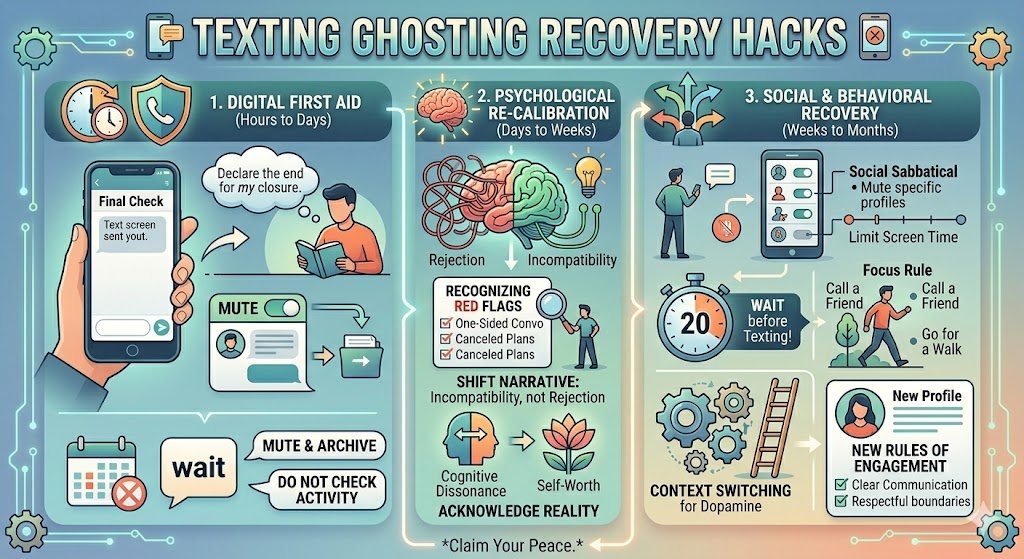
Recovering from texting ghosting requires a combination of self-reflection, communication, and boundary-setting. It's essential to acknowledge your feelings and give yourself time to process the situation. If you decide to reach out to the ghoster, approach the situation with caution and respect their boundaries. Consider sending a non-accusatory message that expresses your feelings and concerns, and be prepared for any response or lack thereof.
Reaching Out to a Ghoster: Dos and Don'ts
When reaching out to a ghoster, it's crucial to prioritize respect and empathy. Avoid sending angry or accusatory messages, as they are unlikely to yield a positive response. Instead, focus on expressing your feelings and concerns in a non-confrontational manner. Be clear about your intentions and boundaries, and be prepared to accept any response or lack thereof. Remember that the ghoster's behavior is often a reflection of their own issues, and it's essential to prioritize your own emotional well-being.
Maintaining a Healthy Relationship after Ghosting
Maintaining a healthy relationship after ghosting requires effort and commitment from both parties. It's essential to establish open and honest communication, addressing any underlying issues that may have contributed to the ghosting. Set clear boundaries and expectations, and prioritize mutual respect and empathy. By working together to rebuild trust and understanding, it's possible to create a stronger and more resilient relationship.
What to Text After Being Ghosted?
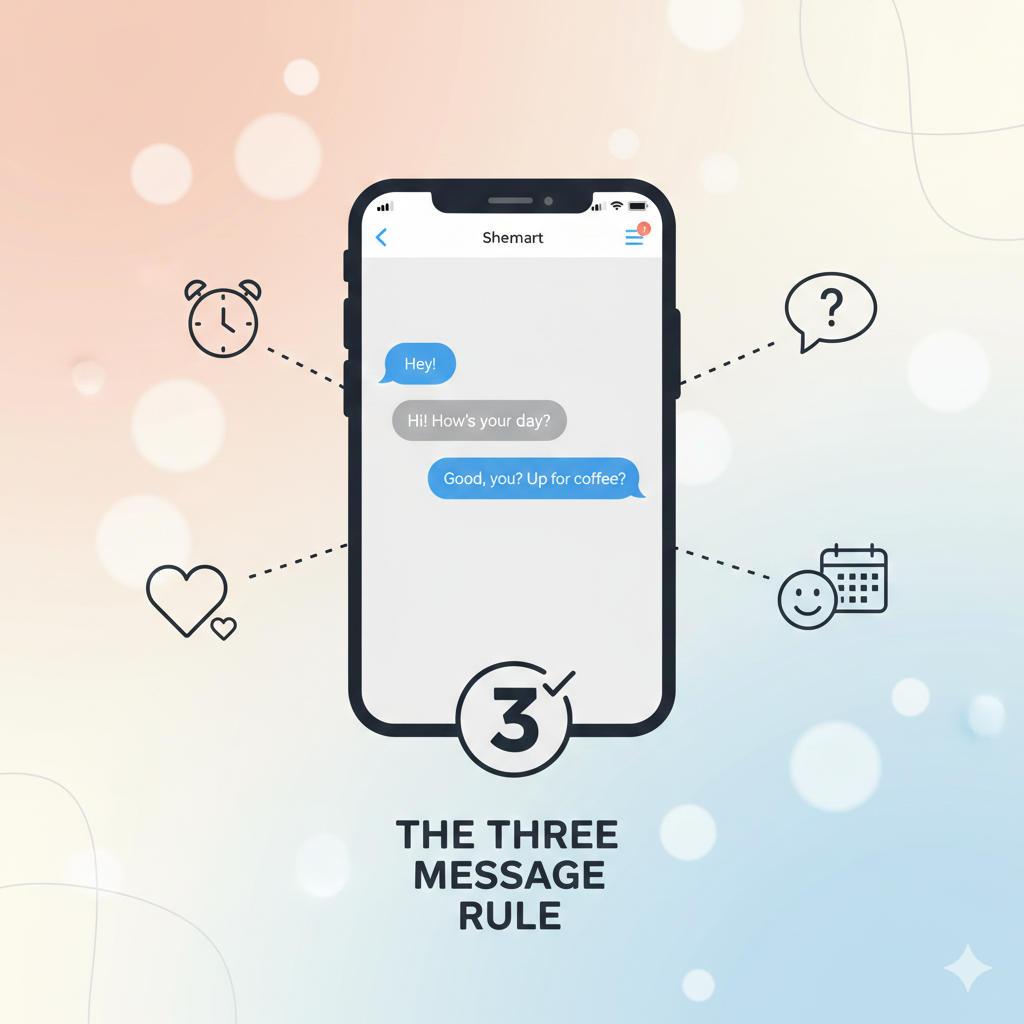
When deciding what to text after being ghosted, it's essential to prioritize respect and empathy. Consider sending a message that expresses your feelings and concerns, such as "Hey, I wanted to reach out and see if everything is okay. I felt like we had a connection, and I'm confused about what happened." Avoid sending angry or accusatory messages, as they are unlikely to yield a positive response.
How to Stop Overthinking a Relationship?
Overthinking a relationship can be a destructive pattern that leads to anxiety, rumination, and distorted perceptions. To stop overthinking, it's essential to practice self-reflection, mindfulness, and communication. Focus on the present moment, and avoid catastrophizing or assuming the worst. Engage in open and honest communication with your partner, addressing any concerns or issues that may be contributing to your overthinking.
Can You Recover from Being Ghosted by a Friend?
Recovering from being ghosted by a friend can be a challenging and painful experience. It's essential to acknowledge your feelings and give yourself time to process the situation. Consider reaching out to the friend, but prioritize your own emotional well-being and be prepared for any response or lack thereof. Focus on nurturing other relationships and engaging in self-care activities that promote healing and growth.
What to Do If You're Being Ghosted by Someone You Like?
If you're being ghosted by someone you like, it's essential to prioritize your own emotional well-being. Avoid overthinking or obsessing over the situation, and focus on self-care activities that promote healing and growth. Consider reaching out to the person, but approach the situation with caution and respect their boundaries. Remember that the ghoster's behavior is often a reflection of their own issues, and it's essential to prioritize your own emotional safety and well-being.
How to Deal with Involuntary Ghosting Due to ADHD?
Involuntary ghosting due to ADHD can be a challenging and frustrating experience. It's essential to acknowledge the issue and develop strategies to manage it. Consider adjusting notification settings, scheduling reminders, and striving for imperfection. Engage in open and honest communication with your friends and loved ones, explaining your situation and seeking their understanding and support. By working together to find solutions, it's possible to minimize the impact of involuntary ghosting and nurture stronger, more resilient relationships.
Frequently Asked Questions
What to Text After Being Ghosted?
When deciding what to text after being ghosted, it's essential to prioritize respect and empathy. Consider sending a message that expresses your feelings and concerns, such as "Hey, I wanted to reach out and see if everything is okay. I felt like we had a connection, and I'm confused about what happened." Avoid sending angry or accusatory messages, as they are unlikely to yield a positive response.
How to Stop Overthinking a Relationship?
Overthinking a relationship can be a destructive pattern that leads to anxiety, rumination, and distorted perceptions. To stop overthinking, it's essential to practice self-reflection, mindfulness, and communication. Focus on the present moment, and avoid catastrophizing or assuming the worst. Engage in open and honest communication with your partner, addressing any concerns or issues that may be contributing to your overthinking.
Can You Recover from Being Ghosted by a Friend?
Recovering from being ghosted by a friend can be a challenging and painful experience. It's essential to acknowledge your feelings and give yourself time to process the situation. Consider reaching out to the friend, but prioritize your own emotional well-being and be prepared for any response or lack thereof. Focus on nurturing other relationships and engaging in self-care activities that promote healing and growth.
What to Do If You're Being Ghosted by Someone You Like?
If you're being ghosted by someone you like, it's essential to prioritize your own emotional well-being. Avoid overthinking or obsessing over the situation, and focus on self-care activities that promote healing and growth. Consider reaching out to the person, but approach the situation with caution and respect their boundaries. Remember that the ghoster's behavior is often a reflection of their own issues, and it's essential to prioritize your own emotional safety and well-being.
How to Deal with Involuntary Ghosting Due to ADHD?
Involuntary ghosting due to ADHD can be a challenging and frustrating experience. It's essential to acknowledge the issue and develop strategies to manage it. Consider adjusting notification settings, scheduling reminders, and striving for imperfection. Engage in open and honest communication with your friends and loved ones, explaining your situation and seeking their understanding and support. By working together to find solutions, it's possible to minimize the impact of involuntary ghosting and nurture stronger, more resilient relationships.