How to Sustain & Maintain Healthy Married Life
1. Let Go of Unrealistic Expectations
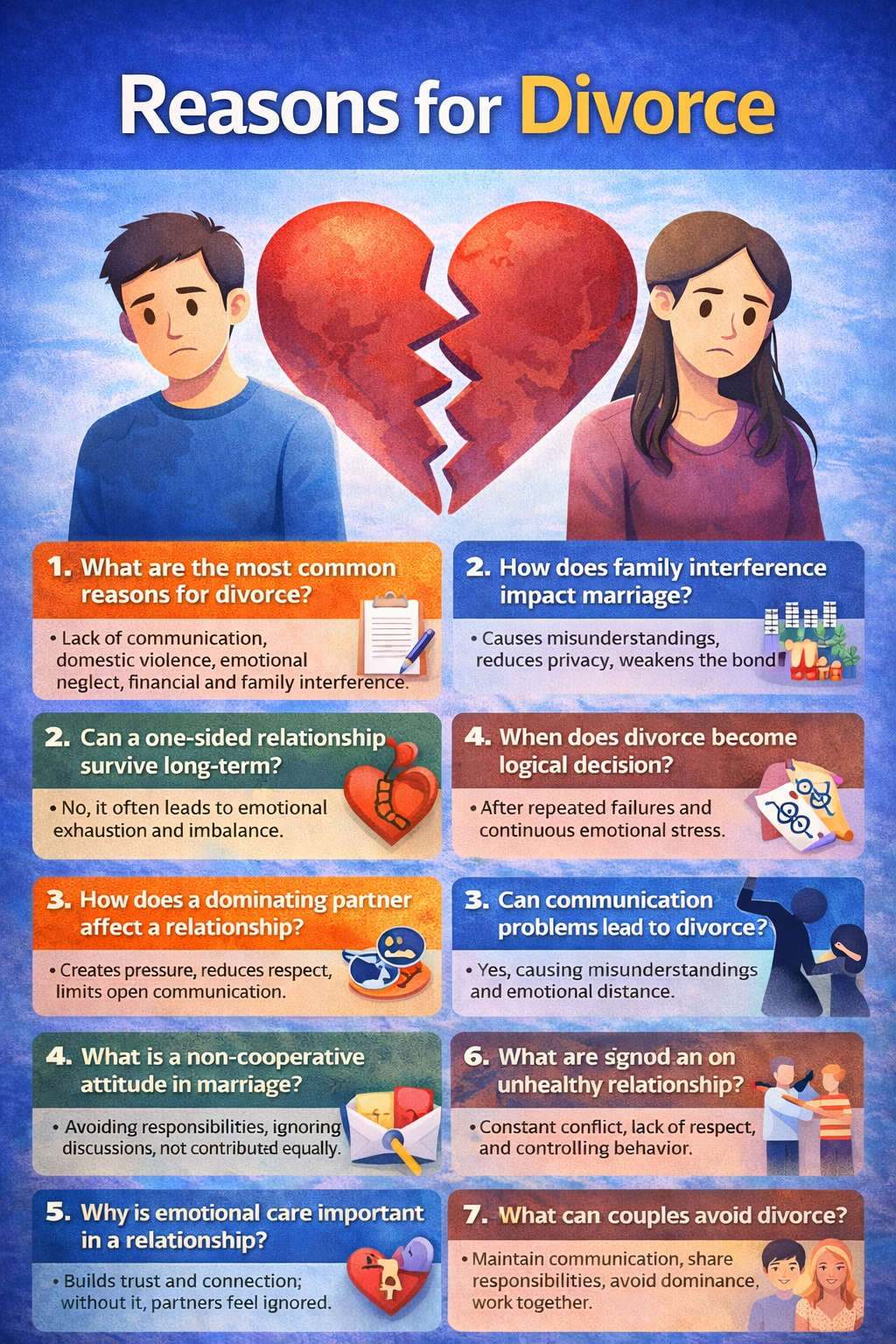
If you truly want your marriage to thrive, stop expecting your partner to fulfill every wish or demand. No one can be perfect all the time. Understand their psychology, daily pressures, and personal troubles. Most marriages that “fail” do so mentally long before any social separation—often held together only by responsibilities like children. Instead of forcing things, prioritize open dialogue. If both of you are committed, follow healthy marriage protocols: communicate kindly, support each other, and focus on what truly matters.
2. Prioritize Your Partner’s Mental Health
Rudeness or harsh words can break someone internally, even if they don’t show it right away. Always observe your partner’s mood. If something feels off, don’t ignore it—talk openly and gently. Skip the silent treatment; conversations build bridges. Caring for mental health is one of the most loving things you can do in a marriage.
3. Tips for Wives: Showing Love and Creating a Welcoming Space for Him
Men often come home carrying the weight of the day. Here’s how you can make a big difference with thoughtful gestures:
- Give him time to settle: When he returns from work, wait a little before diving into conversations or issues. Allow him some mental space to unwind.
- Help him refresh: Offer a warm welcome—help him freshen up if needed.
- Ease into the evening: If he seems stressed, don’t jump straight into heavy topics. Let him settle mentally first.
- Nourish body and mood: Serve him a snack, tea, coffee, or a meal. These small comforts can lift his spirits significantly.
- Avoid arguments at departure: Never argue when he’s heading out for the day. Instead, cheer him on and send positive energy.
- Show consistent care: Send thoughtful messages during the day—ask if he reached safely, or share a quick note of encouragement. These little acts of concern make him feel valued and supported.
Small, consistent gestures like these help him feel respected and loved, strengthening the emotional bond.
4. Tips for Husbands: Appreciating and Supporting Her
Women often handle multiple roles—homemaker, caregiver, and sometimes professional worker—while dealing with unique biological challenges. Husbands play a crucial role in making her feel seen and secure:
- Understand her world: Learn about her daily profile—what she manages, her efforts, and the invisible work she does for the family.
- Appreciate and acknowledge: Regularly express gratitude for everything she does. Simple words of appreciation go a long way.
- Be mindful of her health: Women can experience mood changes or feel unwell earlier due to hormonal fluctuations (from menstrual cycles, childbirth, or other life stages). Science shows these are real biological factors—don’t dismiss them. Offer extra care, patience, and support during these times.
- Share the load: If she is also working outside the home, actively help with household responsibilities. This reduces her burden and shows partnership.
- Create special moments: Take her out for dinner or lunch occasionally. It gives her a break from daily cooking and chores, allowing her to relax and feel pampered.
- Protect her dignity: Never insult or belittle her. Maintaining her self-respect and emotional security should be your top priority.
- Make her feel safe and loved: Reassure her of your commitment through words and actions.
When she feels appreciated and supported, the entire family benefits.
5. Nurture Your Private Life and Emotional-Physical Connection
Make time for each other away from daily routines. Dedicate a few hours where the focus is solely on your relationship—talk, laugh, and reconnect without distractions.
Physical intimacy is far more than a bodily activity. It serves as a powerful bridge that brings two people closer, even though they are not biologically related by blood. It fosters emotional closeness, trust, and a deeper sense of unity. When approached with love and care, it strengthens the bond and helps partners feel truly connected.
Final Thoughts: Mutual Effort Creates Lasting Joy
A healthy marriage isn’t about perfection—it’s about two people choosing each other every day through understanding, patience, and small acts of kindness. Respect each other’s differences, support mental well-being, share responsibilities, and keep the spark of care alive.
Remember: When both partners invest in these practices, the relationship doesn’t just survive—it flourishes. Talk often, observe moods, show appreciation, give space when needed, and celebrate the love that brought you together.
Your marriage is worth the effort. Start with one small change today, and watch how it grows.
Frequently Asked Questions (FAQ) about Building a Lasting Marriage
Q1: Why do most marriages fail mentally even if the couple stays together socially? Many marriages break down emotionally long before any physical separation. Couples often stay together only because of responsibilities like children or social pressure. The real solution is not forcing the relationship, but both partners genuinely wanting to stay together and working on mutual understanding and care.
Q2: How important is it to stop expecting too much from my partner? It is very important. Unrealistic expectations create constant disappointment and conflict. Accept that your partner cannot fulfill every wish. Instead, understand their psychology, daily struggles, and limitations. This realistic approach reduces pressure and helps the marriage grow stronger.
Q3: How can we protect each other’s mental health in marriage? Always observe your partner’s mood. If something feels unusual, don’t ignore it—talk gently and openly. Avoid rudeness or harsh words, as they can hurt deeply even if not shown outwardly. Regular, caring conversations prevent small issues from becoming big problems.
Q4: What should a wife do when her husband comes home from work? Give him some time and space to settle mentally. Help him freshen up, serve tea, coffee, snacks, or dinner to improve his mood. Avoid jumping into arguments or heavy conversations immediately. Cheer him up before he leaves for the day and send caring messages during the day (like checking if he reached safely). These small acts make him feel loved and supported.
Q5: How can a husband better support his wife? Understand her daily efforts and appreciate the work she does for the family. Be mindful of her health—hormonal changes during periods, pregnancy, or after childbirth can affect her mood and energy. Share household responsibilities, especially if she is also working. Take her out for dinner or lunch occasionally so she gets a break from cooking and chores. Never insult her and always protect her dignity. Make her feel secure and valued.
Q6: Why is spending quality private time together essential? Dedicated “couple time” helps partners reconnect emotionally. For a few hours, focus only on each other—talk, laugh, and enjoy each other’s company. This strengthens the bond and keeps the relationship alive beyond daily routines.
Q7: Is physical intimacy only about bodily needs? No. Physical intimacy is much more than a physical act. It acts as an emotional bridge that brings two people closer, even though they are not related by blood. When done with love and care, it builds trust, closeness, and a deeper sense of unity.
Q8: What is the most important thing for a successful marriage? Mutual effort and genuine care. Both partners must choose understanding, patience, and small daily acts of kindness over criticism or demands. When both want to stay together and follow these simple protocols—observing moods, appreciating each other, giving space, and communicating openly—the marriage becomes joyful and lasting.
Q9: Can one person save the marriage alone? It is difficult. A healthy marriage needs effort from both sides. If only one person is trying, it often leads to resentment. The best results come when both partners are committed and willing to understand and support each other.