The Three Message Rule for Early Dating
Table of Contents
- Introduction to the Three Message Rule
- Understanding the Importance of Timing in Early Dating
- How to Apply the Three Message Rule for Maximum Effect
- Common Mistakes to Avoid When Using the Three Message Rule
- Real-Life Examples of the Three Message Rule in Action
Introduction to the Three Message Rule
The three message rule is a simple yet effective guideline for navigating the early stages of dating. It suggests that after a first date, you should wait until you have exchanged three messages with your partner before initiating a second date or taking the relationship to the next level. This rule helps to prevent coming on too strong, allows for a more natural flow of communication, and gives both parties a chance to gauge their interest in each other.
Understanding the Importance of Timing in Early Dating
Timing is everything in early dating. If you come on too strong or too quickly, you risk scaring off your partner or giving the wrong impression. On the other hand, if you wait too long to make a move, you may miss your chance or lose momentum. The three message rule helps to strike a balance between these two extremes, allowing you to build a connection with your partner while also respecting their boundaries and giving them space to respond.
How to Apply the Three Message Rule for Maximum Effect
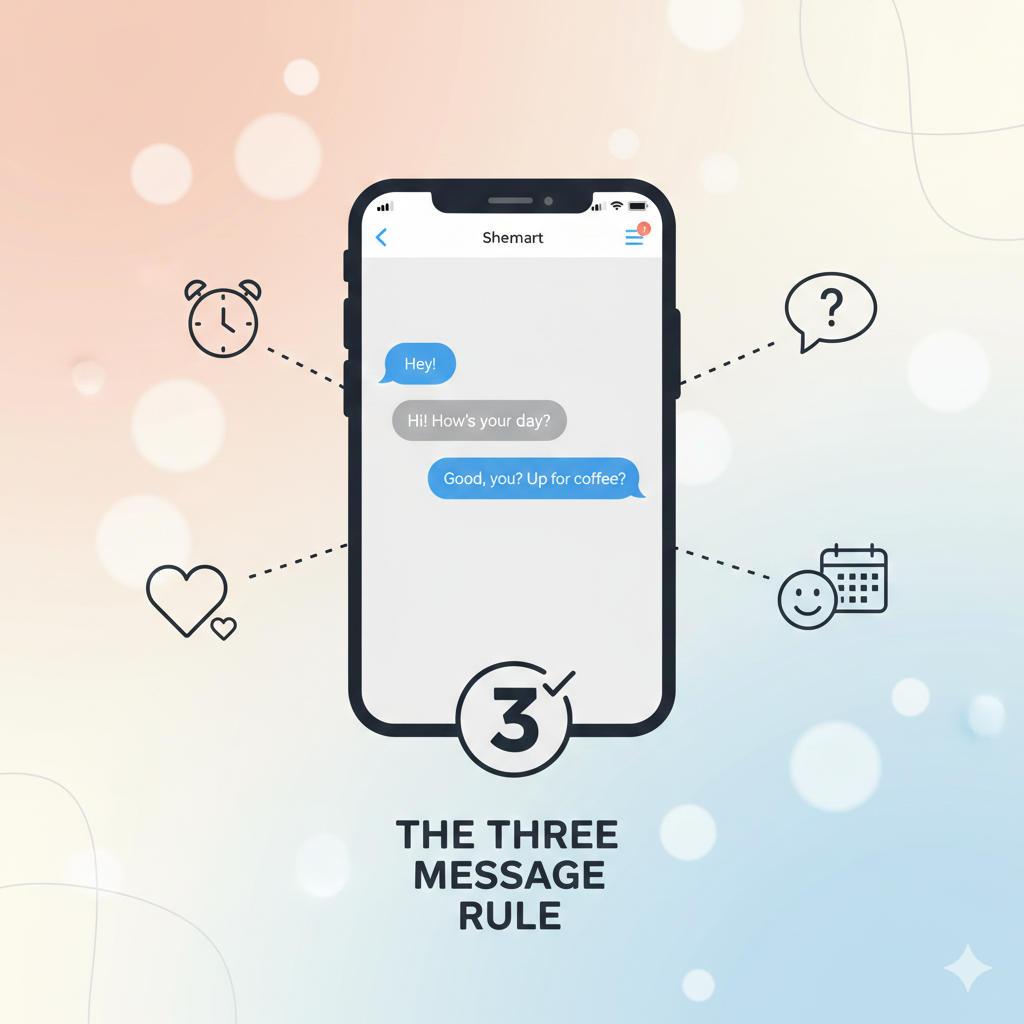
To apply the three message rule effectively, start by sending a casual, low-key message after your first date, such as a thank-you note or a comment about a shared interest. Wait for your partner to respond before sending your second message, and use this opportunity to delve deeper into conversation and get to know them better. After your partner responds to your second message, you can send a third message that suggests a second date or takes the relationship to the next level. Remember to keep your messages light, friendly, and engaging, and to pay attention to your partner's responses and cues.
Common Mistakes to Avoid When Using the Three Message Rule
One common mistake to avoid when using the three message rule is to overthink or overanalyze your messages. Try to relax and be yourself, rather than stressing about what to say or how to say it. Another mistake is to ignore your partner's cues or responses, or to push for a second date or more intense communication if your partner is not ready. Remember to respect your partner's boundaries and to prioritize their comfort and consent above your own desires or expectations.
Real-Life Examples of the Three Message Rule in Action
For example, let's say you go on a first date with someone and have a great time. You send them a thank-you message the next day, saying something like "Hey, I had a great time getting to know you last night! Would love to catch up again soon." Your partner responds with a friendly message, saying "Yeah, I had a great time too! Let's grab coffee sometime." You then send a second message, asking "Coffee sounds great! What's your favorite coffee spot?" Your partner responds with a suggestion, and you send a third message, saying "Sounds perfect! Let's plan to meet there next week." This exchange illustrates the three message rule in action, with a natural flow of communication and a gradual build-up of interest and connection.
Frequently Asked Questions
What if my partner doesn't respond to my messages?
If your partner doesn't respond to your messages, it may be a sign that they are not interested or are not ready to take the relationship to the next level. Don't take it personally and try not to overthink it. Instead, focus on other aspects of your life and move on. Remember that the three message rule is not a guarantee of success, but rather a guideline to help you navigate the early stages of dating.
Can I use the three message rule in online dating?
Yes, the three message rule can be applied to online dating as well. In fact, online dating often involves a more rapid exchange of messages, and the three message rule can help you to slow down and get to know your partner at a more natural pace. Remember to prioritize your safety and well-being, and to be cautious when meeting someone in person for the first time.
How long should I wait between messages?
The amount of time you should wait between messages depends on the flow of conversation and the cues you receive from your partner. As a general rule, try to wait at least a few hours or a day before sending a follow-up message. This allows your partner time to respond and gives you a chance to gauge their interest and engagement.
Can I use the three message rule in combination with other dating strategies?
Yes, the three message rule can be used in combination with other dating strategies, such as the "no contact rule" or the "wait three days" rule. Remember to prioritize your own needs and boundaries, and to be flexible and adaptable in your approach to dating. The key is to find a balance between being proactive and respectful, and to prioritize open and honest communication with your partner.
What if I'm not sure if my partner is interested?
If you're not sure if your partner is interested, try to pay attention to their cues and responses. Do they seem enthusiastic and engaged, or do they seem distant or unresponsive? Remember that it's okay to take things slow and to get to know your partner at a natural pace. Don't be afraid to ask questions or to seek clarification if you're unsure about your partner's feelings or intentions.