Budgeting tricks for living in India on a low income
Table of Contents
- Understanding the Cost of Living in India
- Creating a Budget Plan
- Saving Money on Food and Accommodation
- Managing Transportation and Other Expenses
- Investing in a High-Yield Savings Account
Understanding the Cost of Living in India
India is a vast and diverse country with varying costs of living depending on the region, city, and lifestyle. To budget effectively, it's essential to understand the typical expenses associated with living in India. The cost of accommodation, food, transportation, and other necessities can vary significantly depending on the location. For example, living in a metropolitan city like Mumbai or Delhi can be more expensive than living in a smaller town or village. Additionally, the cost of food can range from affordable street food to high-end restaurants, making it crucial to plan meals and groceries wisely.
Creating a Budget Plan
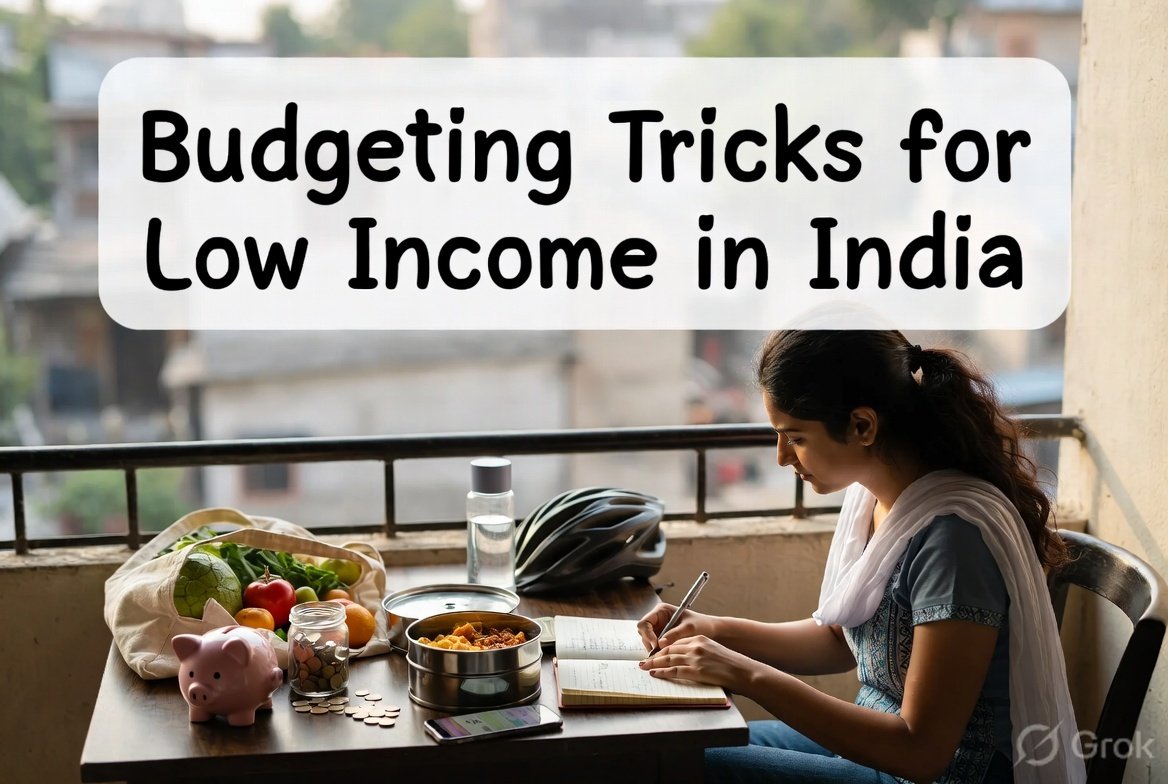
Creating a budget plan is crucial for managing finances effectively, especially when living on a low income in India. Start by tracking income and expenses to understand where the money is going. Make a list of essential expenses, such as rent, utilities, food, and transportation, and allocate funds accordingly. It's also essential to prioritize needs over wants and make adjustments as needed. Consider using the 50/30/20 rule, where 50% of the income goes towards necessary expenses, 30% towards discretionary spending, and 20% towards saving and debt repayment.
Saving Money on Food and Accommodation
Saving money on food and accommodation is vital for living on a low income in India. Consider cooking meals at home instead of eating out, and opt for affordable ingredients like beans, lentils, and vegetables. For accommodation, look for shared apartments or rooms, and negotiate the rent if possible. Additionally, explore options like homestays or guesthouses, which can be more affordable than hotels. When it comes to food, try to avoid eating at touristy areas and instead opt for local eateries or street food, which can be delicious and affordable.
Managing Transportation and Other Expenses
Transportation and other expenses can add up quickly, so it's essential to manage them effectively. Consider using public transportation, walking, or cycling instead of owning a vehicle. For other expenses, prioritize needs over wants and make adjustments as needed. For example, instead of buying expensive clothing or accessories, opt for affordable alternatives or shop during sales. Additionally, consider using cashback or rewards programs for daily expenses like groceries or fuel.
Investing in a High-Yield Savings Account
Investing in a high-yield savings account can help grow savings over time, even with a low income. Look for banks or financial institutions that offer high-interest rates and low fees. Consider setting up automatic transfers from the primary account to the savings account to make saving easier and less prone to being neglected. Additionally, explore options like fixed deposits or recurring deposits, which can provide higher interest rates than traditional savings accounts.
What are some affordable food options in India?
India offers a wide range of affordable food options, including street food, local eateries, and home-cooked meals. Some popular options include dosas, idlis, vadas, and other South Indian dishes, which can be found at affordable prices. Additionally, consider shopping at local markets or grocery stores for fresh produce and ingredients, which can be used to cook meals at home. When eating out, opt for local eateries or food stalls, which can offer delicious and affordable meals.
How can I save money on accommodation in India?
Saving money on accommodation in India requires some research and planning. Consider looking for shared apartments or rooms, and negotiate the rent if possible. Additionally, explore options like homestays or guesthouses, which can be more affordable than hotels. When booking a hotel or hostel, look for discounts or promotions, and consider staying in a budget-friendly area. Furthermore, consider using online platforms or apps that offer affordable accommodation options, such as hostel booking websites or room rental apps.
What are some affordable transportation options in India?
India offers a range of affordable transportation options, including public transportation, walking, and cycling. Consider using buses, trains, or metro lines, which can be an affordable and efficient way to get around. Additionally, look for affordable taxi or auto-rickshaw services, which can be booked through apps or on the street. When possible, consider walking or cycling, which can be a healthy and environmentally friendly option. Furthermore, explore options like carpooling or ride-sharing, which can be a cost-effective way to travel with others.
How can I manage my finances effectively on a low income in India?
Managing finances effectively on a low income in India requires some planning and discipline. Start by tracking income and expenses to understand where the money is going. Make a list of essential expenses, such as rent, utilities, food, and transportation, and allocate funds accordingly. Consider using the 50/30/20 rule, where 50% of the income goes towards necessary expenses, 30% towards discretionary spending, and 20% towards saving and debt repayment. Additionally, look for ways to reduce expenses, such as cooking meals at home, using public transportation, and avoiding unnecessary purchases.
What are some tips for saving money on a low income in India?
Saving money on a low income in India requires some creativity and discipline. Consider setting up automatic transfers from the primary account to the savings account to make saving easier and less prone to being neglected. Look for ways to reduce expenses, such as cooking meals at home, using public transportation, and avoiding unnecessary purchases. Additionally, explore options like cashback or rewards programs for daily expenses like groceries or fuel. Furthermore, consider using affordable entertainment options, such as watching movies at home or playing games with friends, instead of going to expensive cinemas or amusement parks.
How can I invest in a high-yield savings account in India?
Investing in a high-yield savings account in India can help grow savings over time, even with a low income. Look for banks or financial institutions that offer high-interest rates and low fees. Consider setting up automatic transfers from the primary account to the savings account to make saving easier and less prone to being neglected. Additionally, explore options like fixed deposits or recurring deposits, which can provide higher interest rates than traditional savings accounts. When choosing a savings account, consider factors like interest rates, fees, and customer service, and read reviews or ask for recommendations from friends or family members.
Frequently Asked Questions
What are some affordable food options in India?
India offers a wide range of affordable food options, including street food, local eateries, and home-cooked meals. Some popular options include dosas, idlis, vadas, and other South Indian dishes, which can be found at affordable prices. Additionally, consider shopping at local markets or grocery stores for fresh produce and ingredients, which can be used to cook meals at home. When eating out, opt for local eateries or food stalls, which can offer delicious and affordable meals.
How can I save money on accommodation in India?
Saving money on accommodation in India requires some research and planning. Consider looking for shared apartments or rooms, and negotiate the rent if possible. Additionally, explore options like homestays or guesthouses, which can be more affordable than hotels. When booking a hotel or hostel, look for discounts or promotions, and consider staying in a budget-friendly area. Furthermore, consider using online platforms or apps that offer affordable accommodation options, such as hostel booking websites or room rental apps.
What are some affordable transportation options in India?
India offers a range of affordable transportation options, including public transportation, walking, and cycling. Consider using buses, trains, or metro lines, which can be an affordable and efficient way to get around. Additionally, look for affordable taxi or auto-rickshaw services, which can be booked through apps or on the street. When possible, consider walking or cycling, which can be a healthy and environmentally friendly option. Furthermore, explore options like carpooling or ride-sharing, which can be a cost-effective way to travel with others.
How can I manage my finances effectively on a low income in India?
Managing finances effectively on a low income in India requires some planning and discipline. Start by tracking income and expenses to understand where the money is going. Make a list of essential expenses, such as rent, utilities, food, and transportation, and allocate funds accordingly. Consider using the 50/30/20 rule, where 50% of the income goes towards necessary expenses, 30% towards discretionary spending, and 20% towards saving and debt repayment. Additionally, look for ways to reduce expenses, such as cooking meals at home, using public transportation, and avoiding unnecessary purchases.
What are some tips for saving money on a low income in India?
Saving money on a low income in India requires some creativity and discipline. Consider setting up automatic transfers from the primary account to the savings account to make saving easier and less prone to being neglected. Look for ways to reduce expenses, such as cooking meals at home, using public transportation, and avoiding unnecessary purchases. Additionally, explore options like cashback or rewards programs for daily expenses like groceries or fuel. Furthermore, consider using affordable entertainment options, such as watching movies at home or playing games with friends, instead of going to expensive cinemas or amusement parks.
How can I invest in a high-yield savings account in India?
Investing in a high-yield savings account in India can help grow savings over time, even with a low income. Look for banks or financial institutions that offer high-interest rates and low fees. Consider setting up automatic transfers from the primary account to the savings account to make saving easier and less prone to being neglected. Additionally, explore options like fixed deposits or recurring deposits, which can provide higher interest rates than traditional savings accounts. When choosing a savings account, consider factors like interest rates, fees, and customer service, and read reviews or ask for recommendations from friends or family members.