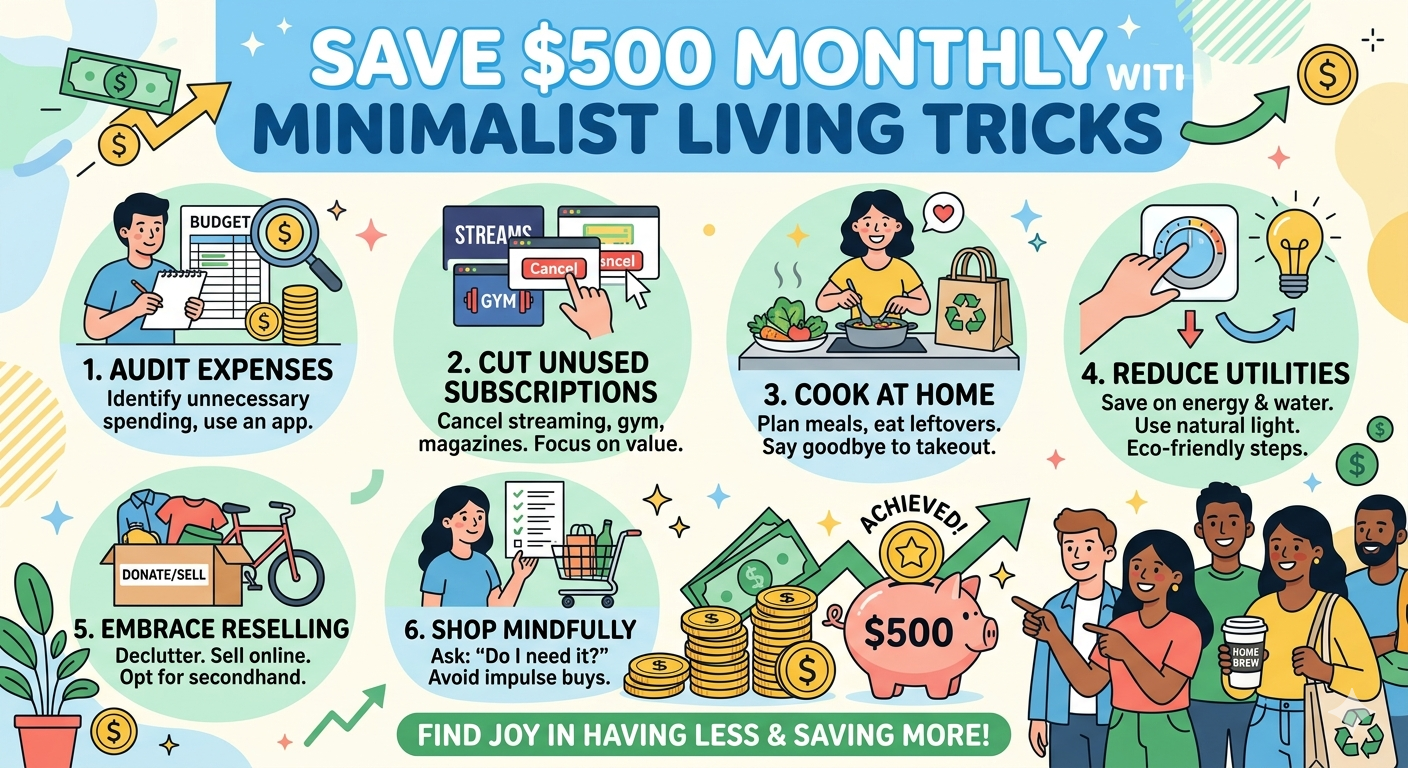
Financial Freedom Tips for a Secure Future
Table of Contents
- Understanding Financial Freedom
- Setting Financial Goals
- Creating a Budget and Managing Debt
- Investing for the Future
- Building an Emergency Fund
- Maintaining Financial Discipline
Understanding Financial Freedom
Financial freedom means having the ability to make life decisions without being overly stressed about the financial implications. It's about having control over your finances, being debt-free, and having a safety net in place. Achieving financial freedom requires a long-term commitment to saving, investing, and managing debt. It's essential to understand that financial freedom is not just about accumulating wealth, but also about creating a sense of security and peace of mind.
Setting Financial Goals
Setting financial goals is a crucial step towards achieving financial freedom. It's essential to identify what you want to achieve, whether it's paying off debt, building an emergency fund, or saving for retirement. Your goals should be specific, measurable, achievable, relevant, and time-bound (SMART). Write down your goals and create a plan to achieve them. Break down larger goals into smaller, manageable steps, and celebrate your progress along the way.
Creating a Budget and Managing Debt
Creating a budget is essential for managing your finances effectively. It helps you track your income and expenses, identify areas where you can cut back, and make informed decisions about how to allocate your resources. Start by tracking your expenses for a month to see where your money is going. Then, create a budget that accounts for all your necessary expenses, savings, and debt payments. Prioritize your debts, focusing on high-interest loans first, and make a plan to pay them off.
Investing for the Future
Investing is a critical component of achieving financial freedom. It allows you to grow your wealth over time, providing a safety net for the future. Start by educating yourself about different investment options, such as stocks, bonds, and mutual funds. Consider working with a financial advisor to create a personalized investment plan. Remember to diversify your portfolio to minimize risk and maximize returns.
Building an Emergency Fund
An emergency fund is a crucial component of financial freedom. It provides a safety net in case of unexpected expenses, such as car repairs or medical bills. Aim to save 3-6 months' worth of living expenses in an easily accessible savings account. Make saving for your emergency fund a priority, and consider setting up automatic transfers from your checking account.
Maintaining Financial Discipline
Maintaining financial discipline is essential for achieving and maintaining financial freedom. It requires a long-term commitment to saving, investing, and managing debt. Avoid getting caught up in get-rich-quick schemes or making impulsive financial decisions. Instead, focus on making steady progress towards your goals, and celebrate your successes along the way.
Frequently Asked Questions
What is financial freedom, and how can I achieve it?
Financial freedom means having the ability to make life decisions without being overly stressed about the financial implications. To achieve financial freedom, you need to create a budget, manage your debt, invest for the future, build an emergency fund, and maintain financial discipline. It's essential to set clear financial goals and work towards achieving them.
How do I create a budget that works for me?
Creating a budget that works for you requires tracking your expenses, identifying areas where you can cut back, and making informed decisions about how to allocate your resources. Start by tracking your expenses for a month to see where your money is going. Then, create a budget that accounts for all your necessary expenses, savings, and debt payments. Prioritize your debts, focusing on high-interest loans first, and make a plan to pay them off.
What are the best investment options for achieving financial freedom?
The best investment options for achieving financial freedom depend on your individual financial goals and risk tolerance. Consider working with a financial advisor to create a personalized investment plan. Remember to diversify your portfolio to minimize risk and maximize returns. Some popular investment options include stocks, bonds, mutual funds, and real estate.
How do I build an emergency fund, and how much should I save?
Building an emergency fund requires setting aside a portion of your income each month in an easily accessible savings account. Aim to save 3-6 months' worth of living expenses. Consider setting up automatic transfers from your checking account to make saving easier and less prone to being neglected.
What are the most common mistakes people make when trying to achieve financial freedom?
Some common mistakes people make when trying to achieve financial freedom include not creating a budget, not managing debt effectively, and not investing for the future. Additionally, many people fail to build an emergency fund, which can leave them vulnerable to financial shocks. It's essential to maintain financial discipline and avoid getting caught up in get-rich-quick schemes or making impulsive financial decisions.
How can I stay motivated and disciplined on my journey to financial freedom?
Staying motivated and disciplined on your journey to financial freedom requires setting clear financial goals and working towards achieving them. Celebrate your successes along the way, and don't be too hard on yourself if you encounter setbacks. Consider working with a financial advisor or joining a financial support group to stay accountable and motivated. Remember, achieving financial freedom is a marathon, not a sprint.