Smart Home Security Tricks that Lower Your Homeowners Insurance
Table of Contents
- Introduction to Smart Home Security
- Benefits of Smart Home Security Systems
- Types of Smart Home Security Devices
- How to Choose the Right Smart Home Security System
- Insurance Discounts for Smart Home Security Systems
- Conclusion
Introduction to Smart Home Security
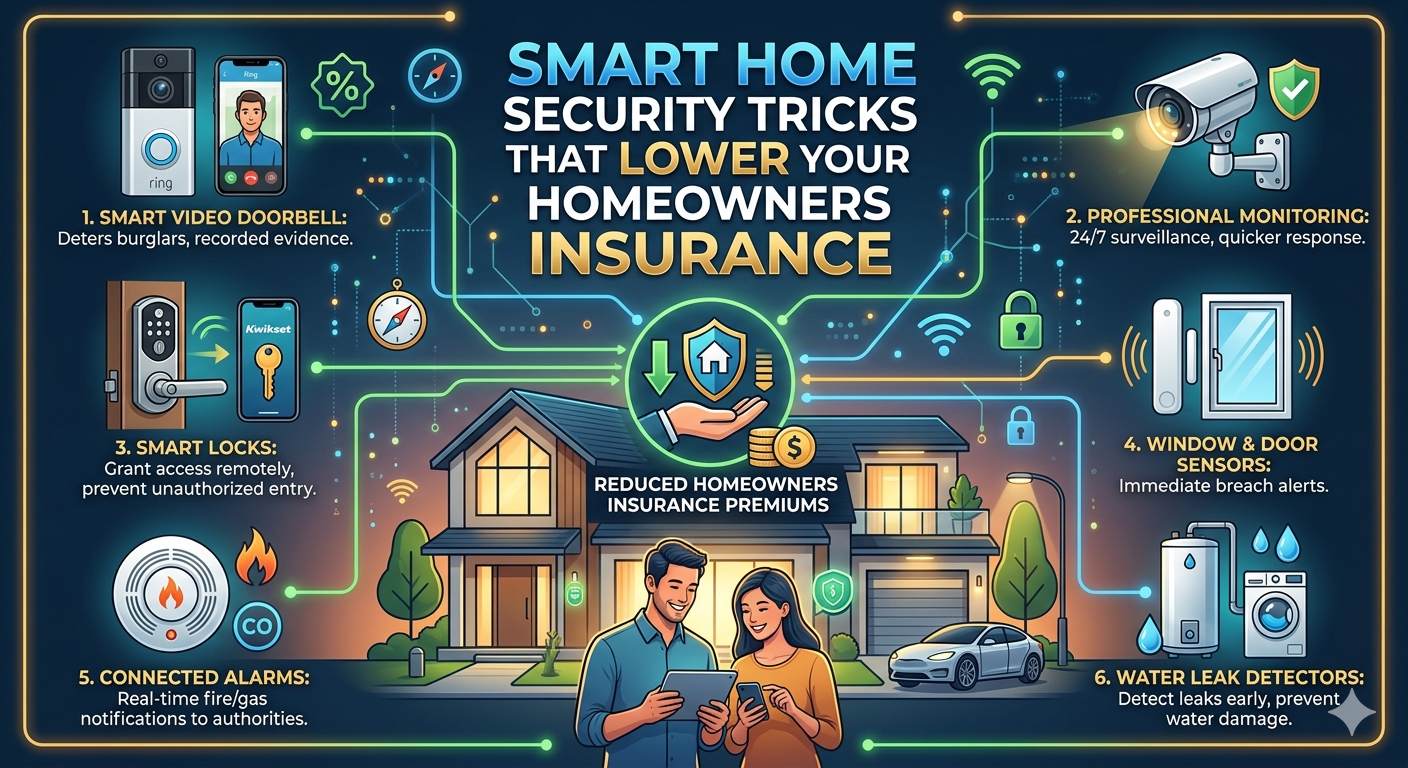
Smart home security systems are designed to provide homeowners with an added layer of protection and peace of mind. These systems typically include a combination of devices such as door and window sensors, motion detectors, and security cameras. By installing a smart home security system, homeowners can deter potential intruders, detect suspicious activity, and receive alerts in real-time. Additionally, many insurance companies offer discounts to homeowners who install smart home security systems, which can help lower their insurance premiums.
Benefits of Smart Home Security Systems
Smart home security systems offer a range of benefits, including increased protection, convenience, and energy efficiency. These systems can be controlled remotely using a smartphone or tablet, allowing homeowners to arm and disarm their system, receive alerts, and monitor their home's activity from anywhere. Smart home security systems can also be integrated with other smart devices, such as thermostats and lights, to create a comprehensive smart home ecosystem. Furthermore, many smart home security systems include features such as video recording, motion detection, and alarm triggering, which can provide valuable evidence in the event of a break-in.
Types of Smart Home Security Devices
There are a variety of smart home security devices available, including door and window sensors, motion detectors, security cameras, and smart locks. Door and window sensors can detect when a door or window is opened or closed, while motion detectors can detect movement within a specific area. Security cameras can provide a visual record of activity, while smart locks can be controlled remotely and provide an additional layer of security. Other smart home security devices include smart garage door openers, smart smoke detectors, and smart carbon monoxide detectors.
How to Choose the Right Smart Home Security System
When choosing a smart home security system, there are several factors to consider. First, consider the size and layout of your home, as well as the number of doors and windows. Next, think about the level of security you need, including the type of devices and features you require. It's also important to consider the cost of the system, including the upfront cost of the devices and any ongoing subscription fees. Additionally, look for a system that is easy to install and use, and that integrates with other smart devices in your home. Finally, be sure to research the company and read reviews from other customers to ensure you're choosing a reputable and reliable system.
Insurance Discounts for Smart Home Security Systems
Many insurance companies offer discounts to homeowners who install smart home security systems. These discounts can range from 5-20% off your insurance premiums, depending on the company and the specific system you install. To qualify for a discount, you'll typically need to provide proof of installation and meet certain requirements, such as having a monitored security system. Some insurance companies also offer additional discounts for certain features, such as video recording or smart locks. Be sure to check with your insurance company to see what discounts are available and what requirements you need to meet.
Conclusion
In conclusion, smart home security systems can provide homeowners with an added layer of protection and peace of mind. By installing a smart home security system, you can deter potential intruders, detect suspicious activity, and receive alerts in real-time. Additionally, many insurance companies offer discounts to homeowners who install smart home security systems, which can help lower their insurance premiums. When choosing a smart home security system, be sure to consider the size and layout of your home, the level of security you need, and the cost of the system. With the right smart home security system, you can enjoy increased protection, convenience, and energy efficiency, while also saving money on your insurance premiums.
Frequently Asked Questions
What is a smart home security system?
A smart home security system is a network of devices that work together to provide a comprehensive security solution for your home. These systems typically include a combination of devices such as door and window sensors, motion detectors, and security cameras, which can be controlled and monitored remotely using a smartphone or tablet.
How do smart home security systems work?
Smart home security systems work by using a combination of devices and sensors to detect and deter potential intruders. When a sensor is triggered, it sends a signal to the system's hub, which then alerts the homeowner and any monitoring centers. The system can also be controlled and monitored remotely using a smartphone or tablet, allowing homeowners to arm and disarm their system, receive alerts, and view live video feeds.
What are the benefits of smart home security systems?
The benefits of smart home security systems include increased protection, convenience, and energy efficiency. These systems can deter potential intruders, detect suspicious activity, and provide valuable evidence in the event of a break-in. Additionally, many smart home security systems can be integrated with other smart devices, such as thermostats and lights, to create a comprehensive smart home ecosystem.
Can smart home security systems be integrated with other smart devices?
Yes, many smart home security systems can be integrated with other smart devices, such as thermostats, lights, and door locks. This allows homeowners to create a comprehensive smart home ecosystem that can be controlled and monitored remotely using a smartphone or tablet.
Do smart home security systems require a subscription?
Some smart home security systems require a subscription to access certain features, such as monitoring and alert services. However, many systems also offer self-monitoring options, which allow homeowners to monitor their system themselves without the need for a subscription.