The Power of Scarcity Principle in Dating
Table of Contents
- Introduction to the Scarcity Principle
- How Scarcity Works in Dating
- Creating a Sense of Urgency and Exclusivity
- Overcoming Common Challenges and Obstacles
- Conclusion and Final Thoughts
Introduction to the Scarcity Principle
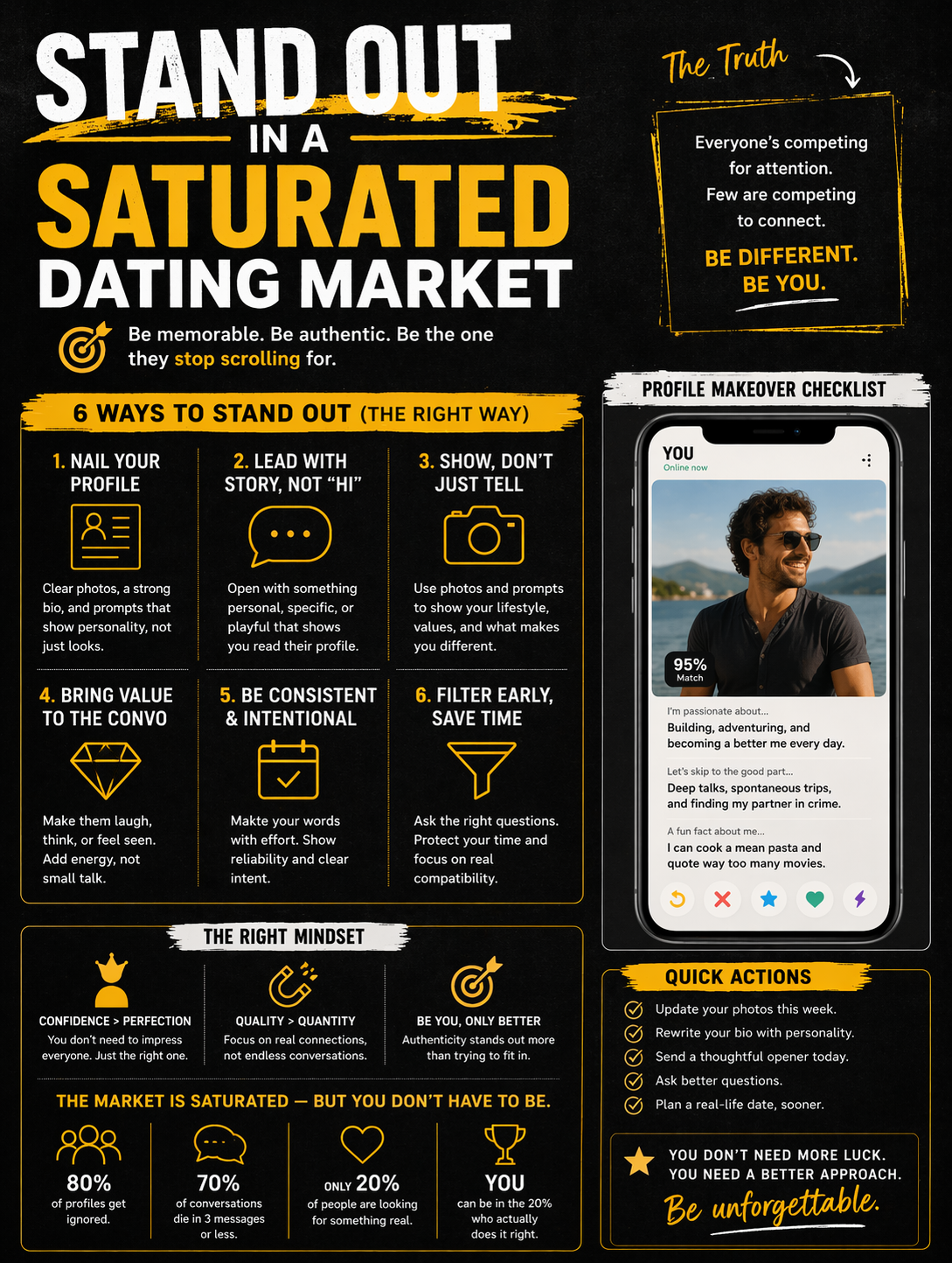
The scarcity principle is a fundamental concept in psychology that suggests people place a higher value on things that are scarce or hard to obtain. This principle can be applied to various aspects of life, including dating. By creating a sense of scarcity, individuals can increase their perceived value and attractiveness to potential partners. In the context of dating, scarcity can be used to create a sense of urgency and exclusivity, making one more desirable and attractive to others.
How Scarcity Works in Dating
Scarcity can be created in various ways, such as by limiting one's availability, being selective with who they interact with, or by creating a sense of competition. For instance, if someone is only available to meet once a week, it creates a sense of scarcity and makes the other person more eager to spend time with them. Similarly, being selective with who they interact with can create a sense of exclusivity, making the other person feel special and valued. By creating a sense of scarcity, individuals can increase their perceived value and attractiveness, making them more desirable to potential partners.
Creating a Sense of Urgency and Exclusivity
Creating a sense of urgency and exclusivity is crucial in dating, as it can help to build a strong connection with someone. One way to create a sense of urgency is by setting deadlines or limitations on interactions. For example, saying something like "I'm only in town for a week, so let's make the most of it" can create a sense of urgency and encourage the other person to spend more time with you. Similarly, creating a sense of exclusivity can be done by being selective with who you interact with or by creating a sense of competition. By creating a sense of urgency and exclusivity, individuals can build a strong connection with someone and increase their chances of success in dating.
Overcoming Common Challenges and Obstacles
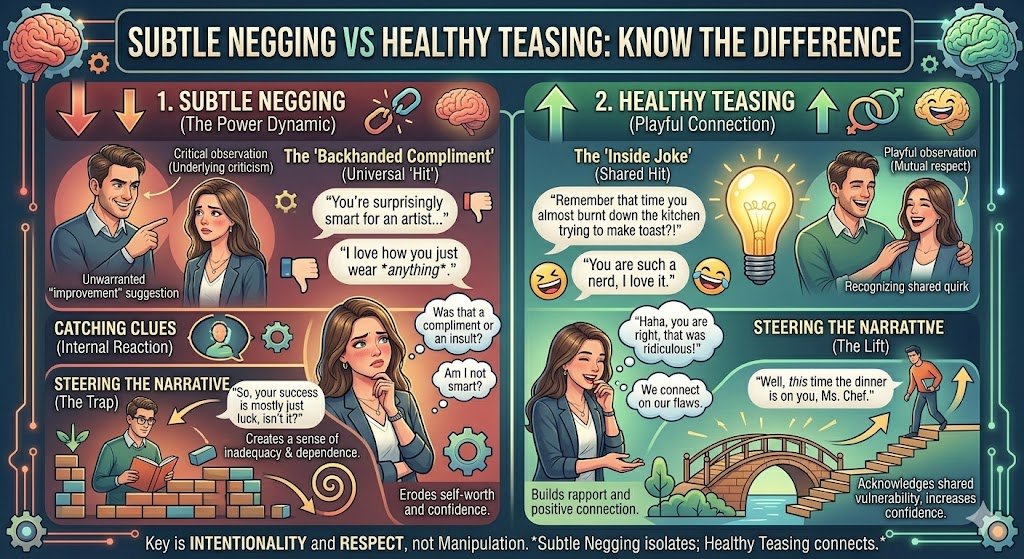
While the scarcity principle can be an effective tool in dating, there are common challenges and obstacles that individuals may face. One common challenge is the risk of coming across as insincere or manipulative. To overcome this, it's essential to be genuine and authentic in one's interactions, while still creating a sense of scarcity and exclusivity. Another challenge is the risk of creating too much scarcity, which can lead to the other person losing interest. To overcome this, it's essential to strike a balance between creating a sense of scarcity and being available and responsive to the other person's needs.
Conclusion and Final Thoughts
In conclusion, the scarcity principle is a powerful tool that can be used to boost one's dating life and attract potential partners. By creating a sense of urgency and exclusivity, individuals can increase their perceived value and attractiveness, making them more desirable to others. However, it's essential to be genuine and authentic in one's interactions, while still creating a sense of scarcity and exclusivity. By striking a balance between these two factors, individuals can increase their chances of success in dating and build strong, meaningful connections with others.
What is the scarcity principle, and how does it apply to dating?
The scarcity principle is a fundamental concept in psychology that suggests people place a higher value on things that are scarce or hard to obtain. In the context of dating, scarcity can be used to create a sense of urgency and exclusivity, making one more desirable and attractive to others. By creating a sense of scarcity, individuals can increase their perceived value and attractiveness, making them more desirable to potential partners.
How can I create a sense of scarcity in my dating life?
There are several ways to create a sense of scarcity in your dating life, such as by limiting your availability, being selective with who you interact with, or by creating a sense of competition. For instance, if you're only available to meet once a week, it creates a sense of scarcity and makes the other person more eager to spend time with you. Similarly, being selective with who you interact with can create a sense of exclusivity, making the other person feel special and valued.
What are the benefits of using the scarcity principle in dating?
The benefits of using the scarcity principle in dating include increased perceived value and attractiveness, a sense of urgency and exclusivity, and a stronger connection with potential partners. By creating a sense of scarcity, individuals can increase their chances of success in dating and build strong, meaningful connections with others.
How can I avoid coming across as insincere or manipulative when using the scarcity principle?
To avoid coming across as insincere or manipulative when using the scarcity principle, it's essential to be genuine and authentic in your interactions. This means being true to yourself and your intentions, while still creating a sense of scarcity and exclusivity. It's also important to strike a balance between creating a sense of scarcity and being available and responsive to the other person's needs.
What are some common challenges and obstacles that I may face when using the scarcity principle in dating?
Some common challenges and obstacles that you may face when using the scarcity principle in dating include the risk of coming across as insincere or manipulative, creating too much scarcity, and struggling to balance scarcity with being available and responsive to the other person's needs. To overcome these challenges, it's essential to be genuine and authentic in your interactions, while still creating a sense of scarcity and exclusivity.
How can I use the scarcity principle to build a stronger connection with someone?
To use the scarcity principle to build a stronger connection with someone, it's essential to create a sense of urgency and exclusivity. This can be done by setting deadlines or limitations on interactions, being selective with who you interact with, or by creating a sense of competition. By creating a sense of scarcity, you can increase your perceived value and attractiveness, making you more desirable to the other person and building a stronger connection with them.
Frequently Asked Questions
What is the scarcity principle, and how does it apply to dating?
The scarcity principle is a fundamental concept in psychology that suggests people place a higher value on things that are scarce or hard to obtain. In the context of dating, scarcity can be used to create a sense of urgency and exclusivity, making one more desirable and attractive to others. By creating a sense of scarcity, individuals can increase their perceived value and attractiveness, making them more desirable to potential partners.
How can I create a sense of scarcity in my dating life?
There are several ways to create a sense of scarcity in your dating life, such as by limiting your availability, being selective with who you interact with, or by creating a sense of competition. For instance, if you're only available to meet once a week, it creates a sense of scarcity and makes the other person more eager to spend time with you. Similarly, being selective with who you interact with can create a sense of exclusivity, making the other person feel special and valued.
What are the benefits of using the scarcity principle in dating?
The benefits of using the scarcity principle in dating include increased perceived value and attractiveness, a sense of urgency and exclusivity, and a stronger connection with potential partners. By creating a sense of scarcity, individuals can increase their chances of success in dating and build strong, meaningful connections with others.
How can I avoid coming across as insincere or manipulative when using the scarcity principle?
To avoid coming across as insincere or manipulative when using the scarcity principle, it's essential to be genuine and authentic in your interactions. This means being true to yourself and your intentions, while still creating a sense of scarcity and exclusivity. It's also important to strike a balance between creating a sense of scarcity and being available and responsive to the other person's needs.
What are some common challenges and obstacles that I may face when using the scarcity principle in dating?
Some common challenges and obstacles that you may face when using the scarcity principle in dating include the risk of coming across as insincere or manipulative, creating too much scarcity, and struggling to balance scarcity with being available and responsive to the other person's needs. To overcome these challenges, it's essential to be genuine and authentic in your interactions, while still creating a sense of scarcity and exclusivity.
How can I use the scarcity principle to build a stronger connection with someone?
To use the scarcity principle to build a stronger connection with someone, it's essential to create a sense of urgency and exclusivity. This can be done by setting deadlines or limitations on interactions, being selective with who you interact with, or by creating a sense of competition. By creating a sense of scarcity, you can increase your perceived value and attractiveness, making you more desirable to the other person and building a stronger connection with them.