The psychology of Vulnerability Loops
Table of Contents
- Introduction to Vulnerability Loops
- The Psychology Behind Vulnerability Loops
- Creating Deeper Connections through Vulnerability
- The Impact of Vulnerability Loops on Relationships
- Overcoming Fear and Embracing Vulnerability
Introduction to Vulnerability Loops
Vulnerability loops refer to the exchange of sensitive and personal information between individuals, creating a strong bond of trust and deeper connection. This concept is rooted in the idea that by sharing our fears, pains, and struggles with others, we open up the possibility for meaningful relationships and personal growth. As social researcher Brene Brown defines it, vulnerability is "uncertainty, risk, and emotional exposure." By embracing vulnerability, we can create a feedback loop of trust and connection with others, leading to more profound and lasting relationships.
The Psychology Behind Vulnerability Loops
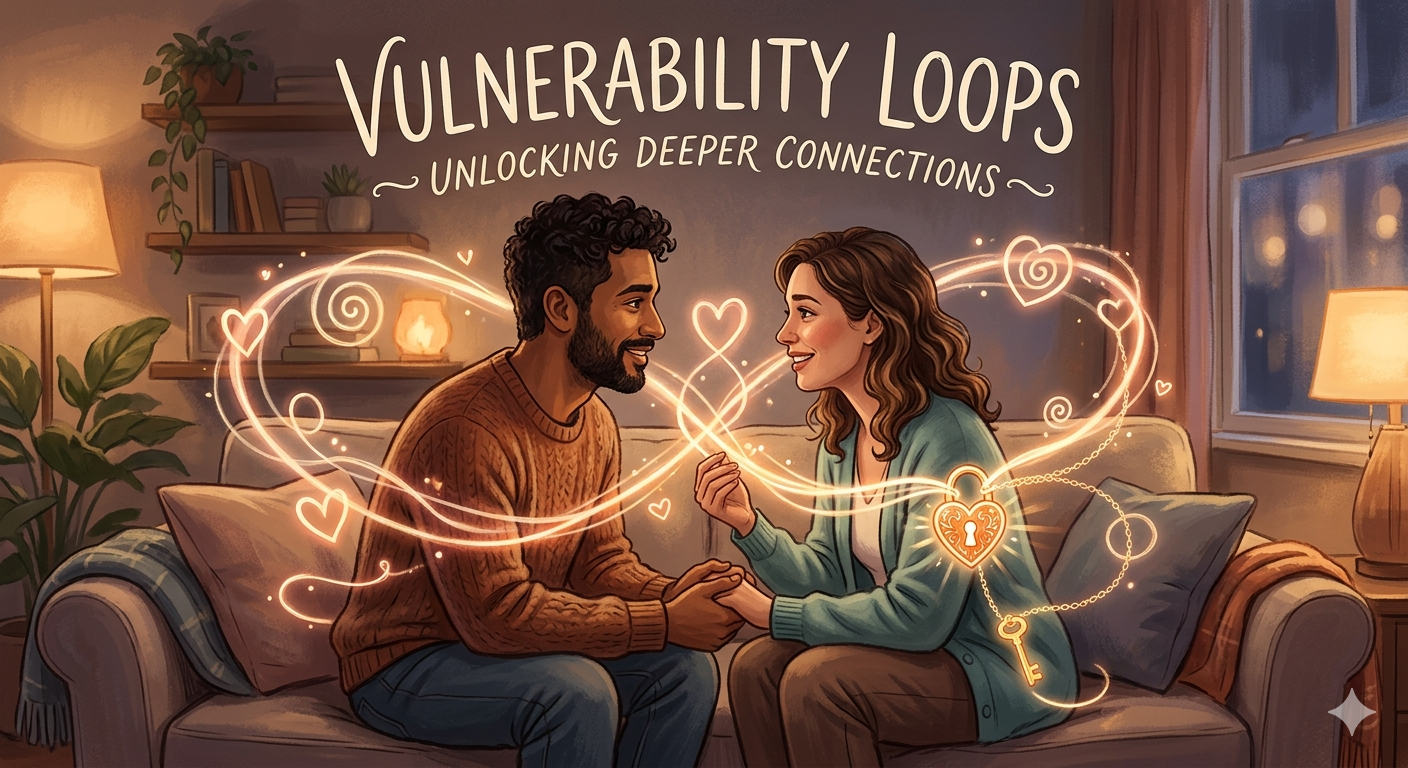
The psychology behind vulnerability loops is complex and multifaceted. When we share our vulnerabilities with others, we create a sense of mutual understanding and empathy. This, in turn, fosters a deeper sense of connection and trust, as both parties feel seen and heard. The vulnerability loop is a circular dynamic, where one person's vulnerability encourages the other to open up, creating a reinforcing loop of trust and connection. This concept is supported by research in social psychology, which suggests that vulnerability is a key component of building strong, meaningful relationships.
Creating Deeper Connections through Vulnerability
Creating deeper connections through vulnerability requires a willingness to take risks and be open with others. When we share our vulnerabilities, we create a sense of intimacy and connection with others, which can lead to more profound and lasting relationships. This is because vulnerability allows us to be our true selves, without fear of judgment or rejection. By embracing vulnerability, we can create a safe and supportive environment for others to do the same, leading to a deeper sense of connection and understanding.
The Impact of Vulnerability Loops on Relationships
The impact of vulnerability loops on relationships is significant. By creating a feedback loop of trust and connection, vulnerability loops can lead to more profound and lasting relationships. This is because vulnerability allows us to build trust and intimacy with others, which are essential components of any healthy relationship. Additionally, vulnerability loops can help to prevent conflicts and misunderstandings, as both parties feel seen and heard. By embracing vulnerability, we can create stronger, more resilient relationships that are better equipped to withstand challenges and difficulties.
Overcoming Fear and Embracing Vulnerability
Overcoming fear and embracing vulnerability requires a willingness to take risks and be open with others. This can be challenging, as vulnerability often requires us to confront our deepest fears and insecurities. However, by embracing vulnerability, we can create a sense of freedom and liberation, as we are no longer held back by our fears and doubts. Additionally, vulnerability can help us to build stronger, more meaningful relationships, which can lead to a greater sense of connection and fulfillment in our lives.
Frequently Asked Questions
What is a vulnerability loop?
A vulnerability loop refers to the exchange of sensitive and personal information between individuals, creating a strong bond of trust and deeper connection. This concept is rooted in the idea that by sharing our fears, pains, and struggles with others, we open up the possibility for meaningful relationships and personal growth.
How do vulnerability loops create deeper connections?
Vulnerability loops create deeper connections by fostering a sense of mutual understanding and empathy. When we share our vulnerabilities with others, we create a sense of intimacy and connection, which can lead to more profound and lasting relationships. This is because vulnerability allows us to be our true selves, without fear of judgment or rejection.
What is the psychology behind vulnerability loops?
The psychology behind vulnerability loops is complex and multifaceted. When we share our vulnerabilities with others, we create a sense of mutual understanding and empathy. This, in turn, fosters a deeper sense of connection and trust, as both parties feel seen and heard. The vulnerability loop is a circular dynamic, where one person's vulnerability encourages the other to open up, creating a reinforcing loop of trust and connection.
How can I overcome my fear of vulnerability?
Overcoming your fear of vulnerability requires a willingness to take risks and be open with others. This can be challenging, as vulnerability often requires us to confront our deepest fears and insecurities. However, by embracing vulnerability, we can create a sense of freedom and liberation, as we are no longer held back by our fears and doubts. Additionally, vulnerability can help us to build stronger, more meaningful relationships, which can lead to a greater sense of connection and fulfillment in our lives.
What are the benefits of vulnerability loops in relationships?
The benefits of vulnerability loops in relationships are significant. By creating a feedback loop of trust and connection, vulnerability loops can lead to more profound and lasting relationships. This is because vulnerability allows us to build trust and intimacy with others, which are essential components of any healthy relationship. Additionally, vulnerability loops can help to prevent conflicts and misunderstandings, as both parties feel seen and heard.
How can I create a vulnerability loop in my relationships?
Creating a vulnerability loop in your relationships requires a willingness to take risks and be open with others. This can be challenging, as vulnerability often requires us to confront our deepest fears and insecurities. However, by embracing vulnerability, we can create a sense of freedom and liberation, as we are no longer held back by our fears and doubts. Start by sharing your vulnerabilities with others, and be open to receiving theirs in return. This can help to create a sense of mutual understanding and empathy, which can lead to deeper and more meaningful relationships.