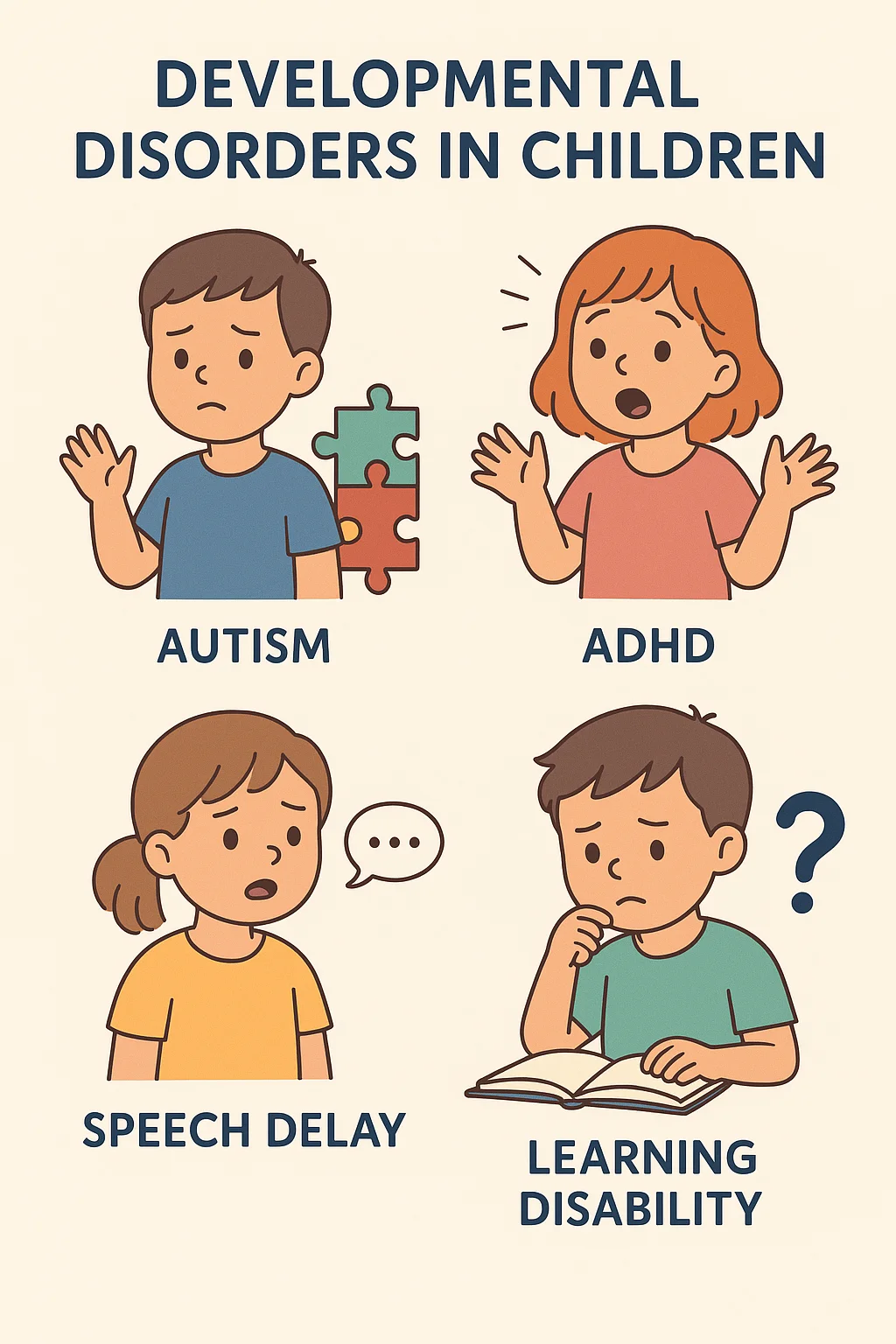
The Mobile Monster=Developmental Delayes
I still remember the day my friend’s toddler, barely 18 months old, reached for her mother’s phone instead of her favorite toy. His little hands grabbed it with surprising determination, eyes lighting up as bright colors and sounds flooded the screen. What started as “just five minutes of peace” while cooking quickly turned into hours. Months later, the same child struggled to form simple words, avoided eye contact during playtime, and threw tantrums when the phone was taken away.
This is the Mobile Monster in action—a silent, glowing predator that many of us unknowingly invite into our homes. It promises quick entertainment and parental relief, but it quietly robs our children of the real-world experiences they desperately need to grow, speak, play, and connect.
What Is the Mobile Monster Doing to Our Kids?
Excessive screen time, especially on mobiles and tablets, is strongly linked to developmental delays in young children. Research shows a clear pattern: the more time toddlers and infants spend on screens, the higher the risk of problems in key areas.
- Language and Communication Delays: Children under 2 who get heavy screen exposure often show slower speech development. One study found that toddlers watching two hours or more daily were up to six times more likely to have language delays. Why? Screens replace the back-and-forth “serve and return” interactions with caregivers—the singing, talking, and responding that wire a baby’s brain for words.
- Problem-Solving and Cognitive Skills: A major Japanese study of nearly 8,000 children revealed that more screen time at age 1 predicted delays in communication and problem-solving by ages 2 and 4. Fine motor skills and social-personal development also suffered in the early years.
- Attention, Behavior, and Emotional Issues: Too much screen time disrupts executive function—the brain’s ability to focus, control impulses, and regulate emotions. It can lead to shorter attention spans, hyperactivity, anxiety, or aggression. Background TV or phone use even affects infants who aren’t directly watching.
- Social and Physical Development: Kids glued to screens miss out on face-to-face play, which builds empathy, turn-taking, and friendships. They also move less, affecting gross motor skills and overall health. Sleep suffers too, because blue light interferes with melatonin, leaving children tired and cranky.
The developing brain thrives on rich, real-life stimulation—touching grass, stacking blocks, hearing stories read aloud, and watching adults’ facial expressions. Screens offer fast, passive, or hyper-stimulating input that can create “tunnel vision” and weaken neural pathways needed for deeper learning.
Parents’ own phone use matters too. When we scroll in front of our kids, they receive less responsive interaction, which can impact their emotional intelligence and language growth.
The Harsh Reality: It’s Not Harmless Entertainment
Many of us think “It’s just cartoons” or “It keeps them quiet.” But science tells a different story. The infant brain is rapidly building connections in the first few years—pruning what it doesn’t use. Excessive screen time crowds out the activities that matter most: exploration, movement, conversation, and human connection.
The Mobile Monster doesn’t roar loudly at first. It whispers convenience. But left unchecked, it can lead to a child who prefers pixels over people, struggles in school, and finds real-world play boring.
How to Keep the Mobile Monster Away – Practical Tips for Parents
You don’t need to go cold turkey or feel guilty. Small, consistent changes make a huge difference. Here’s what works:
- Follow Age-Appropriate Guidelines
- Under 18 months: Avoid screens except for occasional video calls with family.
- 18–24 months: Choose high-quality, educational content and watch together.
- Ages 2–5: Limit to about 1 hour per day of quality programs, with you co-viewing and discussing what’s happening. Recent updates from the American Academy of Pediatrics emphasize quality, context, and conversation over strict timers—focus on whether screens are crowding out sleep, play, or family time.
- Create Screen-Free Zones and Times
- Make mealtimes, bedrooms, and playtime completely device-free.
- No screens one hour before bed to protect sleep.
- Charge phones in the kitchen or another room at night.
- Replace Screens with Real Engagement
- Read books daily—point at pictures, ask questions, make silly voices.
- Play outside: running, climbing, sand play—all build motor skills and imagination.
- Sing songs, dance, or do simple puzzles together. These interactions release bonding hormones like oxytocin and strengthen brain connections far better than any app.
- Model Healthy Habits Put your own phone away during family time. Children learn by watching us. If they see you constantly scrolling, they’ll want the same.
- Set Clear Boundaries with Love When the inevitable tantrum comes (“I want the phone!”), stay calm and redirect: “Let’s build a tower instead!” Consistency is key—most kids adjust within days or weeks once they realize real play is more rewarding.
- Co-View and Talk When screens are used, sit together. Ask, “What do you think will happen next?” or “How does that character feel?” This turns passive watching into active learning.
- Monitor and Adjust Watch for signs of trouble: speech delays, poor eye contact, irritability when screens are removed, or lack of interest in toys. Talk to your pediatrician early if you’re concerned.
Reclaim Childhood – Your Child Deserves Better
Our kids only get one childhood. They deserve to run freely, babble endlessly (even if it’s nonsense at first), build forts, make mud pies, and look into our eyes while we laugh together. These moments aren’t just cute—they are the foundation of healthy brains, strong emotions, and confident futures.
The Mobile Monster is powerful because it’s designed to be addictive. But you are more powerful. By choosing real connection over quick convenience, you protect your child’s development and give them the greatest gift: your full presence.
Start today. Put the phone down. Pick up a book or a ball. Watch your child’s eyes light up—not from a screen, but from genuine joy and discovery.
Your little one’s brain is waiting for the real world. Don’t let the Mobile Monster win.
Frequently Asked Questions About the Mobile Monster and Your Child’s Development
Q1: What exactly is the “Mobile Monster” and why should I be worried? The Mobile Monster is a friendly way to describe how smartphones, tablets, and other screens can quietly take over a young child’s time and attention. While they seem harmless or even helpful for keeping kids quiet, excessive screen use in the early years is linked to developmental delays in language, communication, problem-solving, fine motor skills, and social abilities. The developing brain needs real-world play, talking, and human interaction to grow strong neural connections—screens often replace those essential experiences.
Q2: How much screen time is safe for my baby or toddler? According to the latest guidance from the American Academy of Pediatrics (updated in 2026):
- Under 18 months: Avoid screens except for occasional video calls with family.
- 18–24 months: Only high-quality educational content, and always co-view with you.
- Ages 2–5: Aim for no more than about 1 hour per day of high-quality, educational programs, watched together.
The focus has shifted from strict timers to quality, context, and conversation. Screens should never crowd out sleep, outdoor play, reading, or family time.
Q3: Is my child’s speech delay really because of the phone? It could be a contributing factor. Multiple studies show a clear dose-response relationship: the more screen time a 1-year-old has, the higher the risk of delays in communication and problem-solving by ages 2 and 4. Excessive screens reduce the back-and-forth “serve and return” conversations that build language skills. Background TV or phone use also affects babies who aren’t even watching directly. If you notice delays, reducing screens and increasing real talk and play often helps—consult your pediatrician for personalized advice.
Q4: My toddler throws huge tantrums when I take the phone away. What should I do? This is very common because screens are designed to be addictive. Stay calm and consistent. Acknowledge their feelings (“I know you’re upset, it’s hard to stop”), hold the boundary kindly, and immediately redirect to something fun (“Let’s build a big tower together!”). Prepare an “activity menu” of alternatives like blocks, books, outdoor play, or dancing. Most children adjust within a few days to a couple of weeks once they realize real play is rewarding too. Going “cold turkey” for a short period (with extra support and new toys) can sometimes reset habits faster.
Q5: What are the early warning signs that screens are affecting my child? Watch for:
- Delayed speech or limited vocabulary
- Poor eye contact or less interest in people
- Difficulty focusing on toys or books
- Tantrums or irritability when screens are removed
- Less interest in physical play or outdoor activities
- Trouble with fine motor skills (e.g., stacking blocks, holding crayons)
- Sleep problems or hyperactivity
If several of these persist, speak to your child’s doctor early—early intervention makes a big difference.
Q6: I’m a busy parent. How can I reduce screen time without feeling guilty or overwhelmed? You’re not alone—many parents use screens for a few minutes of peace. Start small and be kind to yourself. Create simple rules like no screens during meals or one hour before bed. Replace screen time with quick, engaging activities: reading a short book, singing songs, or 10 minutes of outdoor play. Model good habits by putting your own phone away during family time. Even small reductions help. The goal isn’t perfection—it’s protecting your child’s precious early years.
Q7: Can educational apps be good for my child? Some high-quality, age-appropriate content can be beneficial when used together with you. Co-viewing turns passive watching into active learning—you can pause, ask questions, and connect what they see to real life. However, even “educational” apps don’t replace hands-on play, which builds creativity, problem-solving, and emotional skills far better.
Q8: What if both parents work and screens help manage the day? Practical reality matters. Use screens mindfully as a short tool, not a default babysitter. Try rotating non-screen activities: sensory play with rice or water, music time, or simple chores together. Involve family members for video calls instead of solo watching. Over time, building screen-free routines actually makes daily life smoother because children learn to entertain themselves and engage more with the real world.
Q9: Will cutting screen time fix developmental delays completely? Reducing screen time often leads to noticeable improvements in attention, language, mood, and play skills, especially when combined with more talking, reading, singing, and physical activity. However, every child is different. If delays are significant, work with your pediatrician or a developmental specialist—they can guide you on therapies or evaluations. Early action gives the best results.
Q10: How do I start today without making big dramatic changes? Pick one small step:
- Make mealtimes completely screen-free.
- Put phones away during playtime and talk/sing instead.
- Create a family charging station outside the bedrooms.
- Replace one daily screen session with a book or outdoor time.
Celebrate small wins. Your consistent presence and real-world engagement are the most powerful gifts you can give your child.