Insurance tricks for Airbnb hosts to avoid guest damage losses
Table of Contents
- Understanding Airbnb's Host Protection Insurance
- Supplemental Short-Term Rental Insurance Options
- Minimizing Guest Damage with Effective Screening
- Documenting Damage and Filing Claims
- Maximizing Revenue with Smart Pricing and Management
Understanding Airbnb's Host Protection Insurance
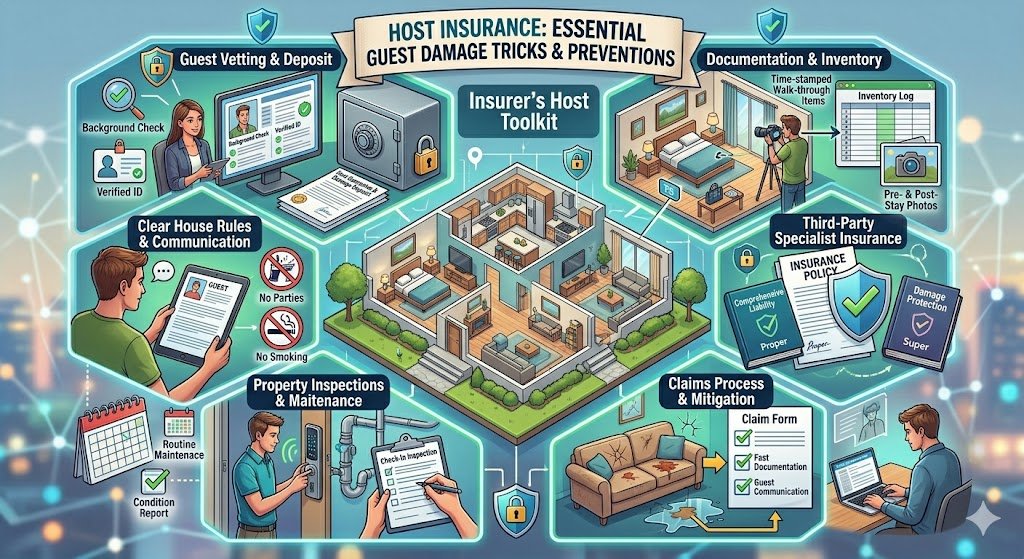
Airbnb's Host Protection Insurance provides liability coverage for hosts in case of guest accidents or property damage. However, this coverage has its limitations, and hosts should understand what is included and what is not. For instance, intentional damage caused by guests may not be covered, and hosts may need to provide evidence to support their claims. It is essential to review Airbnb's terms and conditions to understand the extent of the coverage and consider supplemental insurance options to fill any gaps.
Supplemental Short-Term Rental Insurance Options
Supplemental short-term rental insurance can provide additional protection for hosts against guest damage, lost rental income, and other unforeseen events. These policies can be customized to fit the specific needs of each host and property. When selecting a supplemental insurance provider, hosts should consider factors such as coverage limits, deductibles, and customer support. Some popular supplemental insurance options include policies that cover damage to appliances, furniture, and other property, as well as those that provide liability coverage for hosts.
Minimizing Guest Damage with Effective Screening
Effective guest screening is crucial in minimizing the risk of damage to a property. Hosts can use various tools and strategies to screen potential guests, such as reviewing their profiles, checking their reviews, and verifying their identities. Additionally, hosts can set clear house rules and communicate them to guests before their stay. This can help prevent misunderstandings and reduce the likelihood of damage. Hosts should also consider using security deposits or property damage protection plans to further protect their properties.
Documenting Damage and Filing Claims
Documenting damage and filing claims is a critical step in recovering losses due to guest damage. Hosts should keep detailed records of any damage, including photos, videos, and witness statements. When filing a claim, hosts should provide as much evidence as possible to support their claim, including receipts, invoices, and estimates for repairs. It is also essential to follow the claims process carefully and respond promptly to any requests for additional information. By being thorough and organized, hosts can increase their chances of a successful claim and minimize their financial losses.
Maximizing Revenue with Smart Pricing and Management
Smart pricing and management are essential for maximizing revenue and minimizing losses due to guest damage. Hosts should set competitive prices for their properties, taking into account factors such as location, amenities, and seasonal demand. They should also use dynamic pricing tools to adjust their prices in response to changes in demand. Effective management involves responding promptly to guest inquiries, resolving issues quickly, and maintaining a high level of customer service. By being proactive and responsive, hosts can build a strong reputation, attract more guests, and increase their revenue.
What is the best way to screen potential guests to minimize the risk of damage?
Screening potential guests is crucial in minimizing the risk of damage to a property. The best way to screen guests is to use a combination of tools and strategies, such as reviewing their profiles, checking their reviews, and verifying their identities. Hosts can also set clear house rules and communicate them to guests before their stay. Additionally, hosts can use security deposits or property damage protection plans to further protect their properties. By being thorough and diligent in the screening process, hosts can reduce the risk of damage and ensure a positive experience for both themselves and their guests.
How can hosts document damage and file claims effectively?
Documenting damage and filing claims is a critical step in recovering losses due to guest damage. Hosts should keep detailed records of any damage, including photos, videos, and witness statements. When filing a claim, hosts should provide as much evidence as possible to support their claim, including receipts, invoices, and estimates for repairs. It is also essential to follow the claims process carefully and respond promptly to any requests for additional information. By being thorough and organized, hosts can increase their chances of a successful claim and minimize their financial losses.
What are some common mistakes hosts make when it comes to insurance and guest damage?
There are several common mistakes hosts make when it comes to insurance and guest damage. One of the most significant mistakes is not having adequate insurance coverage, which can leave hosts vulnerable to financial losses. Another mistake is not documenting damage properly, which can make it difficult to file a successful claim. Hosts may also fail to set clear house rules or communicate them effectively to guests, which can lead to misunderstandings and damage. Additionally, hosts may not respond promptly to guest inquiries or resolve issues quickly, which can lead to negative reviews and a loss of revenue.
How can hosts minimize the risk of guest damage and maximize their revenue?
Minimizing the risk of guest damage and maximizing revenue requires a combination of effective strategies and tools. Hosts should set competitive prices for their properties, taking into account factors such as location, amenities, and seasonal demand. They should also use dynamic pricing tools to adjust their prices in response to changes in demand. Effective management involves responding promptly to guest inquiries, resolving issues quickly, and maintaining a high level of customer service. Hosts can also use security deposits or property damage protection plans to further protect their properties. By being proactive and responsive, hosts can build a strong reputation, attract more guests, and increase their revenue.
What are some best practices for hosts to follow when dealing with guest damage and insurance claims?
When dealing with guest damage and insurance claims, hosts should follow several best practices. First, they should document the damage thoroughly, including photos, videos, and witness statements. They should also provide as much evidence as possible to support their claim, including receipts, invoices, and estimates for repairs. Hosts should follow the claims process carefully and respond promptly to any requests for additional information. They should also communicate clearly and effectively with their guests, providing them with updates on the status of their claim. By being thorough, organized, and communicative, hosts can increase their chances of a successful claim and minimize their financial losses.
How can hosts use technology to streamline their management and minimize the risk of guest damage?
Hosts can use technology to streamline their management and minimize the risk of guest damage in several ways. They can use property management software to automate tasks such as pricing, booking, and communication. They can also use smart locks and keyless entry systems to control access to their properties and reduce the risk of unauthorized entry. Additionally, hosts can use security cameras and sensors to monitor their properties and detect any potential issues. By leveraging technology, hosts can save time, reduce their workload, and minimize the risk of guest damage.
Frequently Asked Questions
What is the best way to screen potential guests to minimize the risk of damage?
Screening potential guests is crucial in minimizing the risk of damage to a property. The best way to screen guests is to use a combination of tools and strategies, such as reviewing their profiles, checking their reviews, and verifying their identities. Hosts can also set clear house rules and communicate them to guests before their stay. Additionally, hosts can use security deposits or property damage protection plans to further protect their properties. By being thorough and diligent in the screening process, hosts can reduce the risk of damage and ensure a positive experience for both themselves and their guests.
How can hosts document damage and file claims effectively?
Documenting damage and filing claims is a critical step in recovering losses due to guest damage. Hosts should keep detailed records of any damage, including photos, videos, and witness statements. When filing a claim, hosts should provide as much evidence as possible to support their claim, including receipts, invoices, and estimates for repairs. It is also essential to follow the claims process carefully and respond promptly to any requests for additional information. By being thorough and organized, hosts can increase their chances of a successful claim and minimize their financial losses.
What are some common mistakes hosts make when it comes to insurance and guest damage?
There are several common mistakes hosts make when it comes to insurance and guest damage. One of the most significant mistakes is not having adequate insurance coverage, which can leave hosts vulnerable to financial losses. Another mistake is not documenting damage properly, which can make it difficult to file a successful claim. Hosts may also fail to set clear house rules or communicate them effectively to guests, which can lead to misunderstandings and damage. Additionally, hosts may not respond promptly to guest inquiries or resolve issues quickly, which can lead to negative reviews and a loss of revenue.
How can hosts minimize the risk of guest damage and maximize their revenue?
Minimizing the risk of guest damage and maximizing revenue requires a combination of effective strategies and tools. Hosts should set competitive prices for their properties, taking into account factors such as location, amenities, and seasonal demand. They should also use dynamic pricing tools to adjust their prices in response to changes in demand. Effective management involves responding promptly to guest inquiries, resolving issues quickly, and maintaining a high level of customer service. Hosts can also use security deposits or property damage protection plans to further protect their properties. By being proactive and responsive, hosts can build a strong reputation, attract more guests, and increase their revenue.
What are some best practices for hosts to follow when dealing with guest damage and insurance claims?
When dealing with guest damage and insurance claims, hosts should follow several best practices. First, they should document the damage thoroughly, including photos, videos, and witness statements. They should also provide as much evidence as possible to support their claim, including receipts, invoices, and estimates for repairs. Hosts should follow the claims process carefully and respond promptly to any requests for additional information. They should also communicate clearly and effectively with their guests, providing them with updates on the status of their claim. By being thorough, organized, and communicative, hosts can increase their chances of a successful claim and minimize their financial losses.
How can hosts use technology to streamline their management and minimize the risk of guest damage?
Hosts can use technology to streamline their management and minimize the risk of guest damage in several ways. They can use property management software to automate tasks such as pricing, booking, and communication. They can also use smart locks and keyless entry systems to control access to their properties and reduce the risk of unauthorized entry. Additionally, hosts can use security cameras and sensors to monitor their properties and detect any potential issues. By leveraging technology, hosts can save time, reduce their workload, and minimize the risk of guest damage.