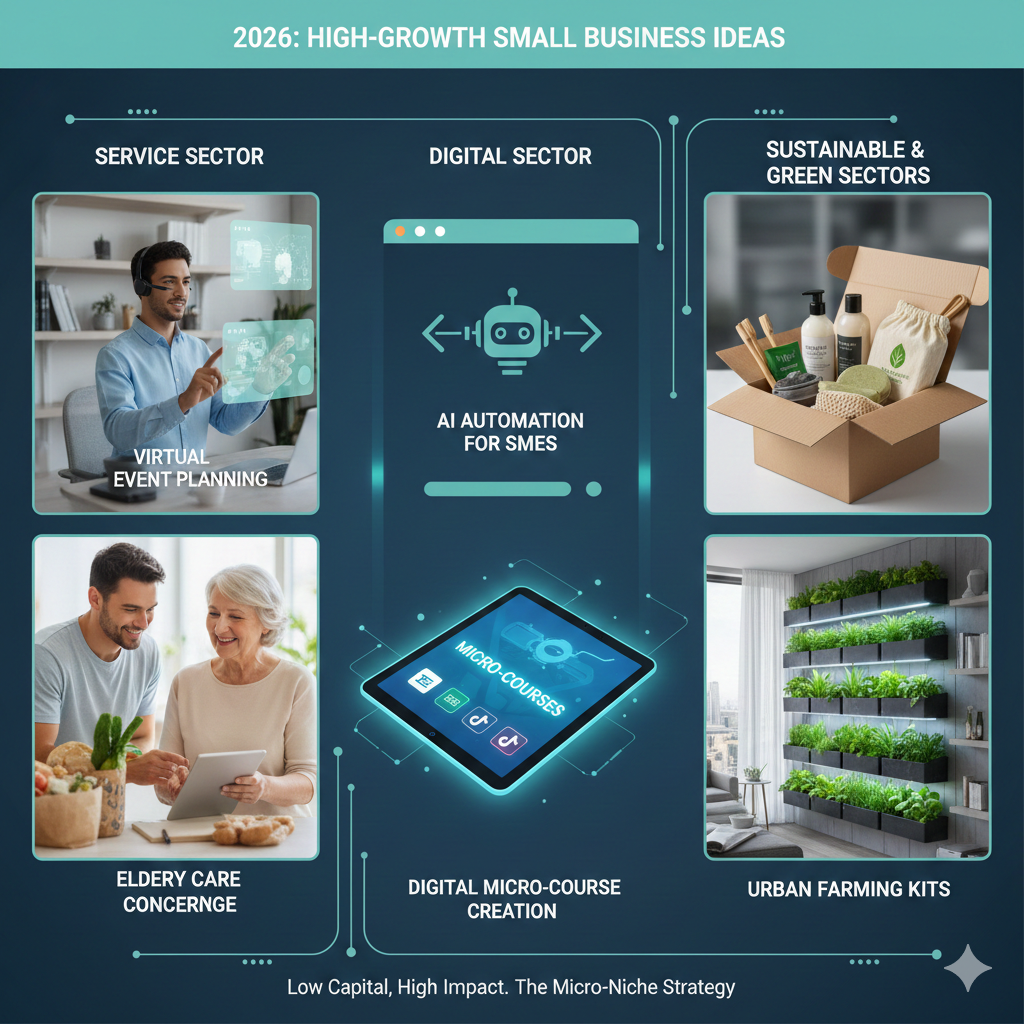
High‑Impact Small‑Business Ideas for 2026: Low‑Capital, High‑Growth Opportunities Across Service, Digital and Sustainable Sectors
Introduction
2026 is shaping up to be a year of hyper-growth for businesses that combine low upfront capital (under $20k) with high-margin, technology-enabled or purpose-driven services. Drawing from insights in Reddit’s r/Entrepreneur, Fundwell’s 2026 reports, Wolters Kluwer trends, and real-market data, this guide distills the most actionable ideas across three booming sectors: Digital/AI, Service (on-demand/home-based), and Sustainable/Green.
Each idea includes:
- Concise business model description
- Typical startup cost range (USD)
- Expected net-margin (industry benchmarks)
- Key skills needed & growth tips
TL;DR — With $5k–$20k, you can launch a profitable venture in AI services, home care, or eco-products and see revenue in 3–9 months. Focus on niches where demand outpaces supply!
1. AI-Enabled Consulting & Automation Services (Digital Sector)
AI adoption is exploding in 2026 — SMBs need help without big budgets.
| Sub-niche | What you sell | Typical clients | Startup cost | Net-margin | Key skills needed |
|---|---|---|---|---|---|
| Prompt-engineering agency | Custom prompts & LLM fine-tuning | SaaS founders, marketers | $3–7k | 30–45% | Prompt crafting, ChatGPT/Claude/Grok expertise |
| Workflow-automation for SMBs | Zapier/Make/n8n/Power Automate setups | Local retailers, clinics | $5–10k | 35–50% | No-code tools, process mapping |
| AI-strategy consulting | Roadmaps, data audits, tool recommendations | Mid-size manufacturers | $8–12k | 25–40% | Business analysis AI knowledge |
Quick Python sanity-check (run this locally to model profits with a $20k budget):
Python
import pandas as pd

data = {
    "Idea": ["Prompt-engineering agency", "Workflow-automation", "AI-strategy consulting"],
    "MinCost": [3000, 5000, 8000],
    "MaxCost": [7000, 10000, 12000],
    "NetMargin": [0.35, 0.42, 0.30]
}
df = pd.DataFrame(data)

df["AvgCost"] = (df["MinCost"]   df["MaxCost"]) / 2
df["AnnualRevenue"] = df["AvgCost"] / (1 - df["NetMargin"])  # Assumes cost is ~revenue fraction
df["AnnualProfit"] = df["AnnualRevenue"] * df["NetMargin"]

print(df)
Interpretation: A $20k budget funds 2–3 ideas comfortably, with strong recurring revenue potential via retainers.
.png)
2. Mobile & On-Demand Home Services for an Aging Population (Service Sector)
India & global populations are aging fast — demand for convenient, tech-assisted home help is skyrocketing.
| Service | Core offering | Typical ticket | Startup cost | Net-margin | Growth tips |
|---|---|---|---|---|---|
| Senior companion & errand service | Grocery runs, doctor visits, companionship | $25–60/hour | $2–8k | 40–60% | App like UrbanClap WhatsApp bookings |
| Tech setup & digital literacy help | Smartphone setup, video calls, online banking | $40–100/visit | $3–7k | 50–70% | Target 60 via local Facebook groups |
| Home health monitoring installation | Simple IoT devices (fall detectors, BP trackers) | $150–400/job | $5–12k | 35–55% | Partner with pharmacies, offer subscriptions |
Why it works in 2026: Low competition in tier-2/3 cities (Haryana & similar areas), high repeat business, and easy scaling via freelancers.
3. Sustainable & Eco-Friendly Products/Services (Sustainable Sector)
Regulations consumer demand = massive opportunity for green businesses with low entry barriers.
| Sub-niche | What you sell | Typical clients | Startup cost | Net-margin | Key advantages |
|---|---|---|---|---|---|
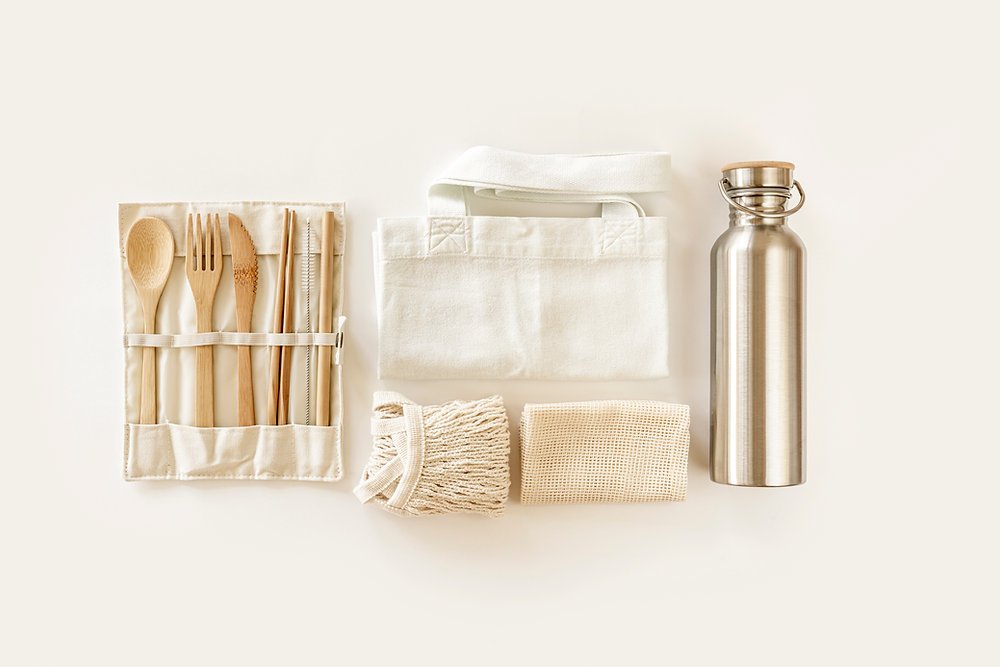
| Zero-waste / upcycled home goods | Reusable bags, bamboo products, recycled decor | Eco-conscious millennials | $4–10k | 30–50% | Sell via Instagram/Flipkart, low inventory |
| Sustainable packaging for DTC brands | Compostable mailers, eco-boxes | Small e-commerce sellers | $6–15k | 25–45% | B2B focus, recurring orders |
| Urban vertical farming kits | Hydroponic/home grow kits seeds guides | City dwellers | $7–12k | 35–55% | YouTube tutorials drive sales, high margins on kits |
Why explosive in 2026: EPR laws in India/US push brands toward sustainable suppliers; consumers pay 20–40% premium for green.
Conclusion & Next Steps
These ideas are low-risk, high-reward because they leverage existing tools (AI/no-code), growing demographics (aging population), and global shifts (sustainability). Start small: Validate with 5–10 clients via local networks or social media.
All figures are 2026 benchmarks — adjust for your location (e.g., Haryana/India costs may be 30–50% lower). Research local regulations, get GST if needed, and track trends on Reddit r/EntrepreneurIndia.
Ready to launch? Pick one idea, build a simple landing page, and test demand this week!
Frequently Asked Questions (FAQs)
Q1: What makes a small business idea "high-impact" for 2026 according to the article? A: High-impact ideas combine low startup costs (mostly $2k–$15k), high net profit margins (25–70%), quick revenue potential (3–9 months), and alignment with major 2026 trends: exploding AI adoption in SMBs, growing demand for senior/home services due to aging populations, and increasing regulations/consumer preference for sustainable products. The article stresses niches with demand outpacing supply, especially in tier-2/3 cities in India.
Q2: Which sector has the highest profit margins among the ideas listed? A: The Service Sector (on-demand/home-based services for seniors and tech help) shows the highest margins, often 40–70%. Examples include:
- Senior companion & errand service: 40–60%
- Tech setup & digital literacy help: 50–70% These benefit from low overhead (mostly time basic tools) and high repeat business.
Q3: What are the best low-capital AI/digital business ideas for 2026? A: The article highlights three strong options in the Digital/AI sector:
- Prompt-engineering agency ($3–7k startup, 30–45% margin): Custom prompts & LLM fine-tuning for marketers/SaaS founders.
- Workflow-automation for SMBs ($5–10k, 35–50% margin): Setting up Zapier/Make/n8n for local businesses.
- AI-strategy consulting ($8–12k, 25–40% margin): Roadmaps and tool recommendations for manufacturers. These leverage no-code/AI tools and exploding demand from SMBs.
Q4: Why are senior-focused services considered a top opportunity in 2026? A: Aging populations in India and globally are driving massive demand for convenient, tech-assisted home help. Ideas like senior companion/errand services ($2–8k startup, 40–60% margin), tech setup/digital literacy help ($3–7k, 50–70% margin), and home health monitoring installation ($5–12k, 35–55% margin) have low competition in smaller cities, high repeat customers, and easy booking via WhatsApp or local apps.
Q5: What sustainable business ideas are recommended for 2026, and why do they work? A: The Sustainable/Green sector benefits from new regulations (like EPR laws) and consumers willing to pay 20–40% premiums for eco-products. Top ideas include:
- Zero-waste/upcycled home goods ($4–10k, 30–50% margin): Reusable bags, bamboo items sold via Instagram/Flipkart.
- Sustainable packaging for DTC brands ($6–15k, 25–45% margin): Compostable mailers with recurring B2B orders.
- Urban vertical farming kits ($7–12k, 35–55% margin): Hydroponic home kits promoted via YouTube.
Q6: How much money do I realistically need to start one of these businesses? A: Almost all ideas fall under $20k, with most in the $2k–$15k range. Service-based ideas (senior care, tech help) start as low as $2–8k, while digital/AI and sustainable ideas range $3–15k. The article notes that in India (e.g., Haryana), costs can be 30–50% lower than US benchmarks.
Q7: Which business ideas offer the best recurring revenue potential? A: Ideas with subscriptions, retainers, or repeat customers shine:
- Workflow automation & AI consulting (monthly retainers).
- Home health monitoring (subscription monitoring).
- Sustainable packaging (recurring orders from e-commerce brands).
- Senior services (regular weekly/monthly bookings). These models create stable cash flow with low additional effort after the initial client acquisition.
Q8: Do I need advanced technical skills to start these 2026 business ideas? A: Not necessarily. Many rely on no-code tools (Zapier, Make, n8n) or basic AI platforms (ChatGPT/Claude/Grok). The article emphasizes that prompt crafting, process mapping, and customer service skills are more important than deep coding knowledge. Even sustainable ideas focus on sourcing/marketing rather than complex manufacturing.
Q9: How can I validate and launch one of these ideas quickly? A: Start small: Pick one idea, build a simple landing page (Carrd or similar), test demand with 5–10 local clients via social media (Facebook groups, WhatsApp), Reddit r/EntrepreneurIndia, or Instagram. The article advises validating quickly, getting GST registration if needed, and tracking trends on Reddit for India-specific adjustments.
Q10: Why focus on these specific sectors for 2026 in India? A: India-specific factors include: rapid AI adoption in small businesses, a fast-growing aging population needing home help (low competition in tier-2/3 cities), and sustainability push from EPR regulations eco-conscious urban consumers. These create high-demand, underserved niches with 25–70% margins and fast scaling via freelancers/social media.